PATIENTENBIBLIOTHEK · NEUROCHIRURGIE
Treating low back pain: from movement and physiotherapy to surgery and neuromodulation
When your lower back hurts, it is natural to want something that will put everything right quickly and for good. Yet similar symptoms can have different causes, and several pain mechanisms often coexist. Treatment therefore starts with understanding the task: relieving pain, restoring movement, protecting a nerve or treating a particular condition, rather than choosing the strongest procedure.
This article explains general treatment principles. Disc herniation, spinal stenosis, spinal joint conditions and other diagnoses will be covered separately. The methods listed here are not a compulsory ladder: you do not have to try everything in sequence to qualify for surgery or a stimulator.
New urinary retention, numbness around the genitals or anus, or rapidly worsening weakness in one or both legs require immediate in-person medical attention. Pain with fever, after significant injury or in someone with cancer also needs timely assessment. Massage, heat or a course of injections must not replace that assessment. 21
1. What counts as a good treatment result?
The aim is more than a lower pain score. Being able to walk farther, sleep more comfortably, dress, work and resume everyday life matters. Sometimes these abilities improve first, while pain eases gradually.
The plan depends on pain location, nerve-related leg pain, weakness, walking limitations, symptom duration and treatments already tried. Other conditions, medicines, demands on your body and your preferences also matter. MRI findings alone do not determine treatment.
Agreeing on a practical goal helps: walking a useful distance again or managing desk work with breaks, for example. Then review the benefit, adverse effects and whether treatment should continue. Repeating procedures indefinitely without meaningful benefit rarely improves the plan. 1,7
Pain may have tissue-related, neuropathic and nociplastic components. Nociplastic pain involves altered processing of pain signals; it does not mean the pain is imagined. These mechanisms can coexist and cannot be assessed from one scan or symptom alone.
2. Treatment without medicines
Non-drug treatment means treatment without medication, not care outside medicine. Therapeutic exercise, education and psychological approaches are part of healthcare. Common terms include physiotherapy, therapeutic exercise, manual therapy, heat therapy and therapeutic mud packs. They describe different parts of care, not interchangeable services.
Physiotherapy is a broad field. It can include movement assessment, education, exercise, hands-on techniques and physical treatments. It is sometimes understood mainly as treatment with machines. That can obscure a central part of recovery: gradually rebuilding your own activity. 1,2,3
Therapeutic exercise and movement therapy
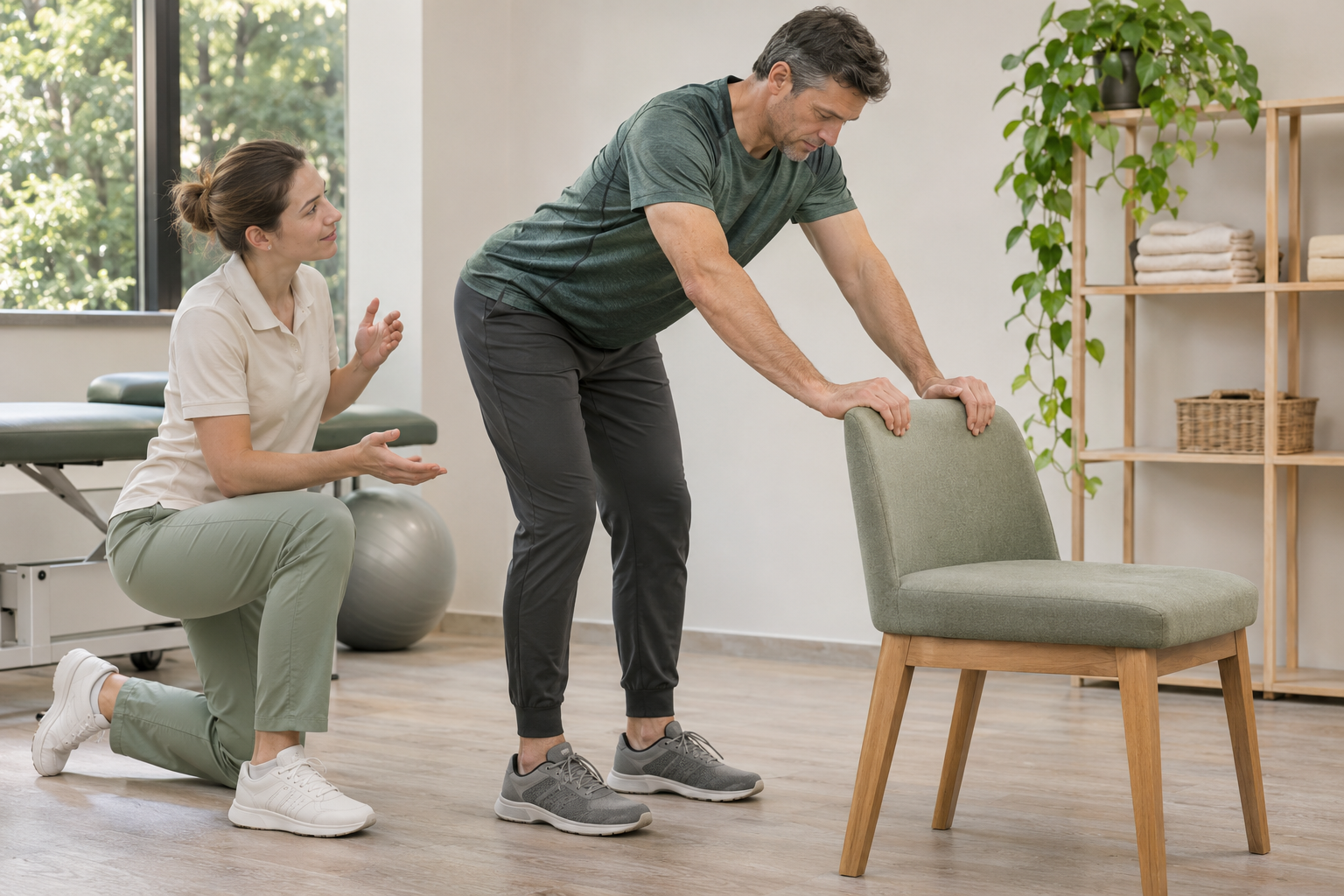
Exercises are adapted to your strength, endurance, coordination, mobility and movement control. Equipment may be used. Treatment does not necessarily mean strenuous abdominal workouts, and there is no single routine suitable for everyone.
At the first sessions, a professional helps you find a manageable load and explains how to practise independently. Exercises may involve the trunk, pelvis and legs, everyday movements and gradual progression. With persistent pain, consistency and being able to continue usually matter more than a fashionable method name. 1,3,9
Mild, manageable soreness after unfamiliar activity is possible. However, new weakness, increasing numbness, pain spreading noticeably farther down the leg or prolonged worsening calls for adjustment and contact with a professional. You do not need to push through at any cost.
Everyday activity: walking, work and familiar tasks

Once serious causes have been excluded, prolonged bed rest usually hinders recovery. A brief rest during a severe flare is reasonable, followed by gradually resuming manageable movement: changing position, short walks and achievable household tasks. The initial amount can be small.
There is no single perfect posture to maintain all day. Alternating sitting, standing and movement is often more useful than rigidly holding the back in one position. Returning to work may require temporary changes to tasks and hours rather than waiting for every sensation to disappear. 2,4
Exercise in water
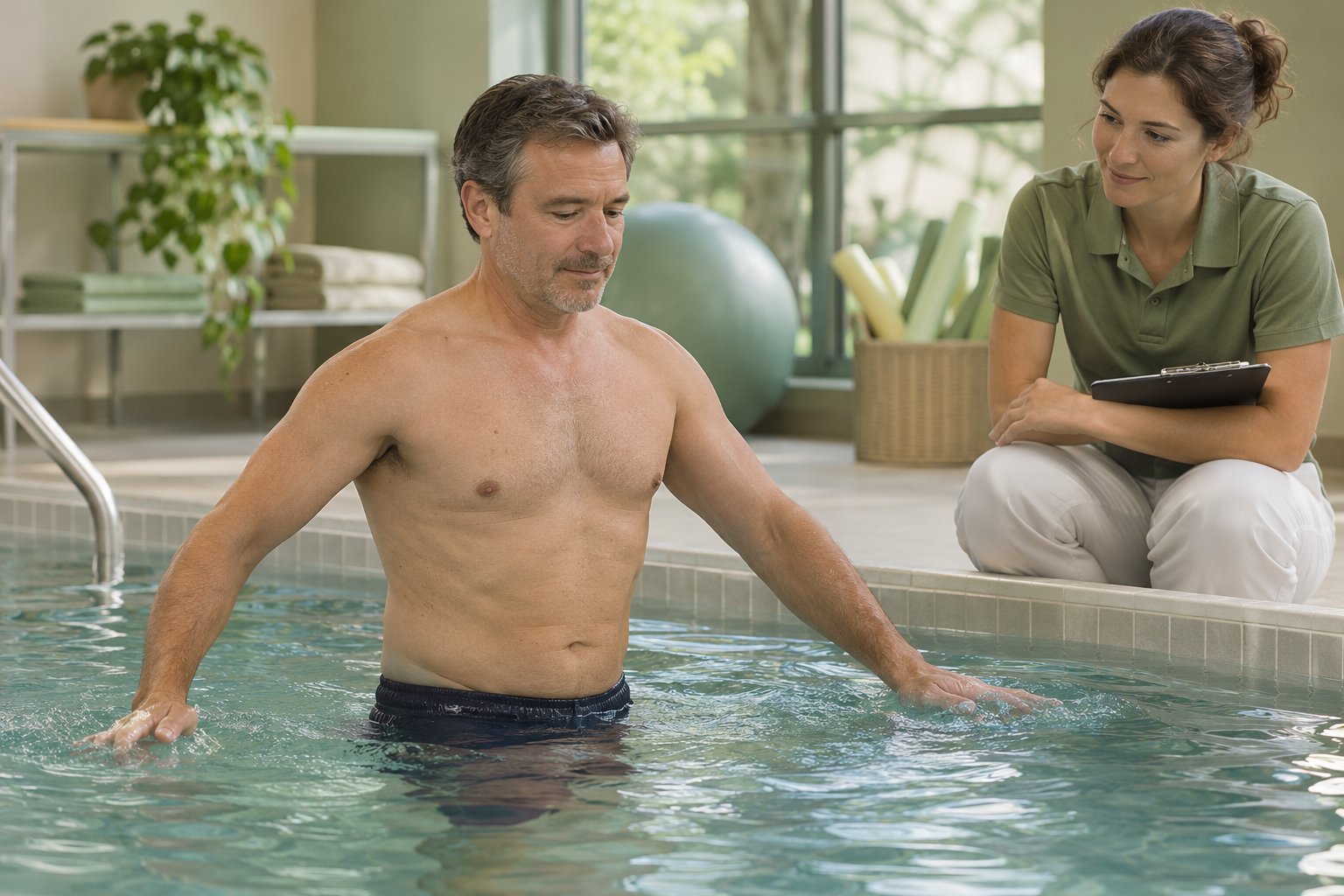
Water supports the body and makes movement possible with less loading. This may suit people who cannot yet tolerate exercises on land. Therapeutic pool exercise differs from swimming through pain: some strokes and movements may not suit an individual.
Water-based exercise is one way to organise active rehabilitation. It is not necessarily better than a good land-based programme and does not suit everyone. Skin problems, infection, cardiovascular limitations and water safety must be considered. 1,9
Adapted yoga, Pilates and breathing exercises

These activities can combine gentle movement, balance, strength and relaxation. Some people with persistent pain find this a helpful way to exercise regularly. Choose manageable versions; deep backbends, twisting and complex poses are not essential to treatment.
The class name alone does not guarantee benefit. What matters is whether the programme is adapted to your condition and the instructor can modify it. Promising to put a disc back in place with stretching or yoga is misleading. 9,10
3. Hands-on approaches: manual therapy, osteopathy and massage
Manual therapy
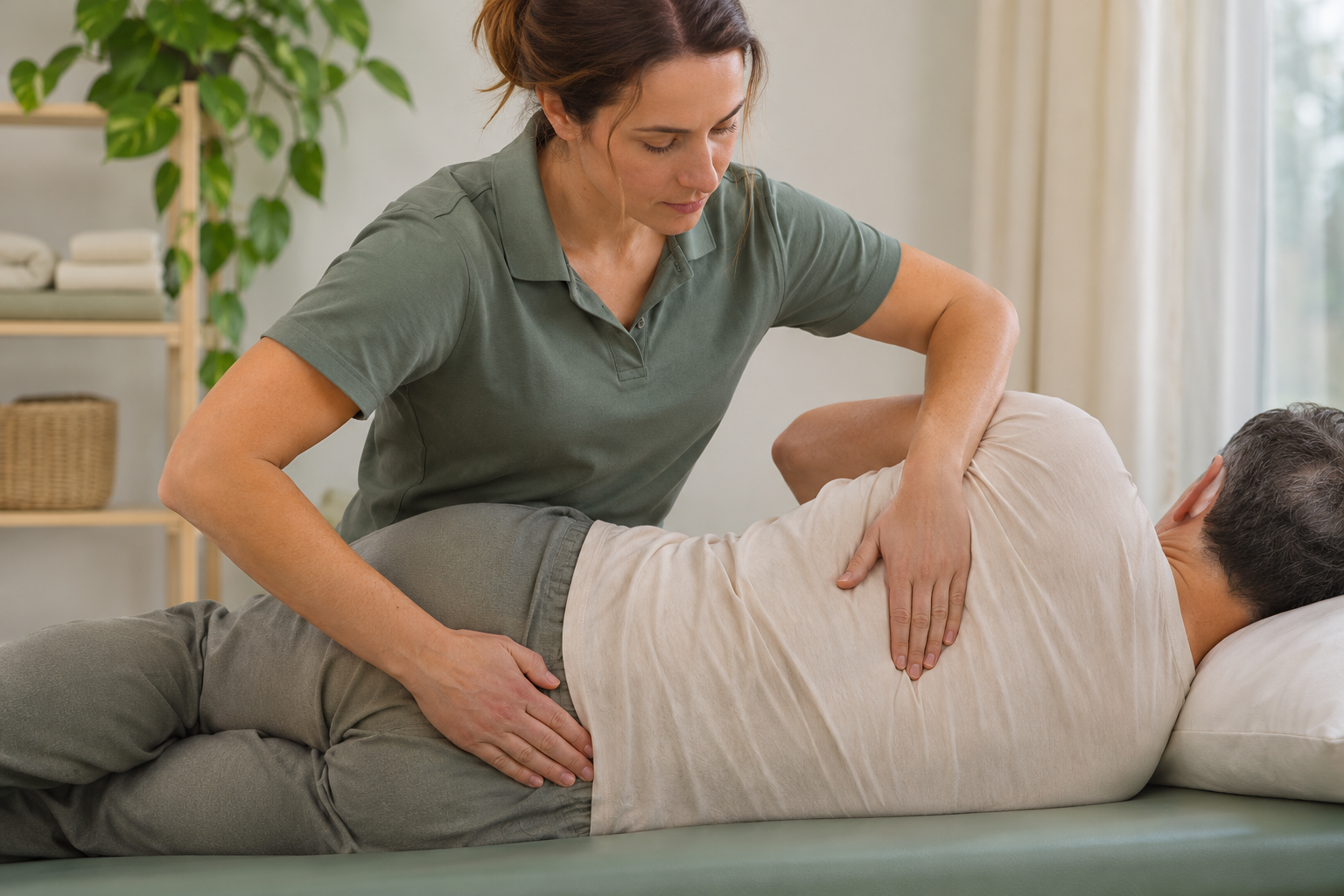
A practitioner uses joint movements and soft-tissue techniques. Slow techniques are called mobilisation; others involve a brief, rapid thrust, called manipulation. Any short-term relief can help you move and exercise more easily.
A click during manipulation does not prove that a vertebra has been put back in place. Hands-on approaches are best considered alongside an active plan. Suspected fracture, infection, tumour, significant instability or progressive neurological problems require medical assessment first; forceful manipulation may be unsafe. 8,10
Osteopathy
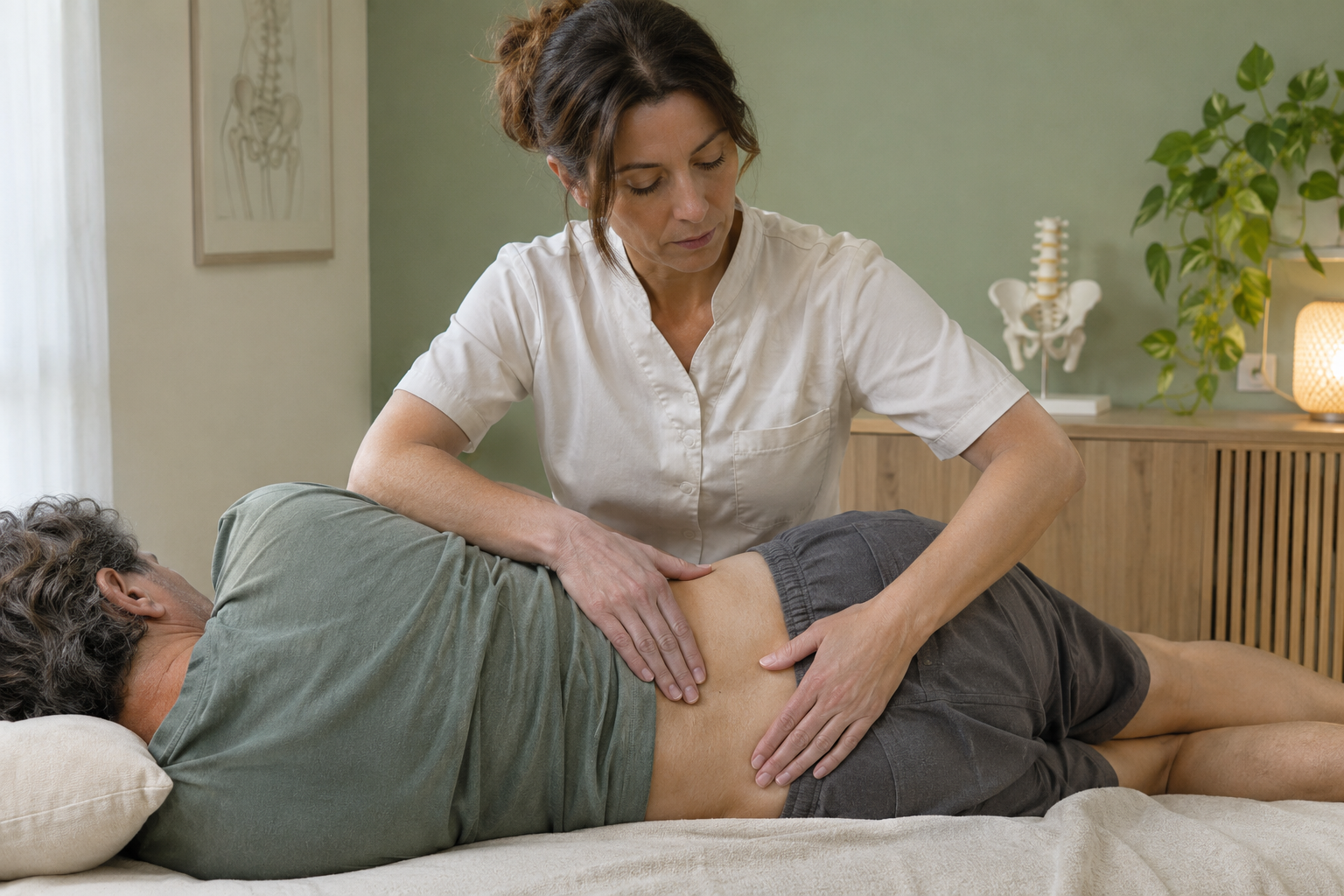
This term covers different approaches, from techniques resembling conventional mobilisation and massage to concepts with much weaker scientific support. Asking whether osteopathy works is therefore too broad. Ask what is proposed, for what purpose and how the result will be assessed.
Selected gentle muscle and joint techniques may be discussed for low back pain. Claims to treat internal organs or remove every cause of pain by repositioning tissues deserve scrutiny. A lengthy prepaid course without a clear goal and reassessment is not a prerequisite for recovery. 5,10
Massage and soft-tissue treatment
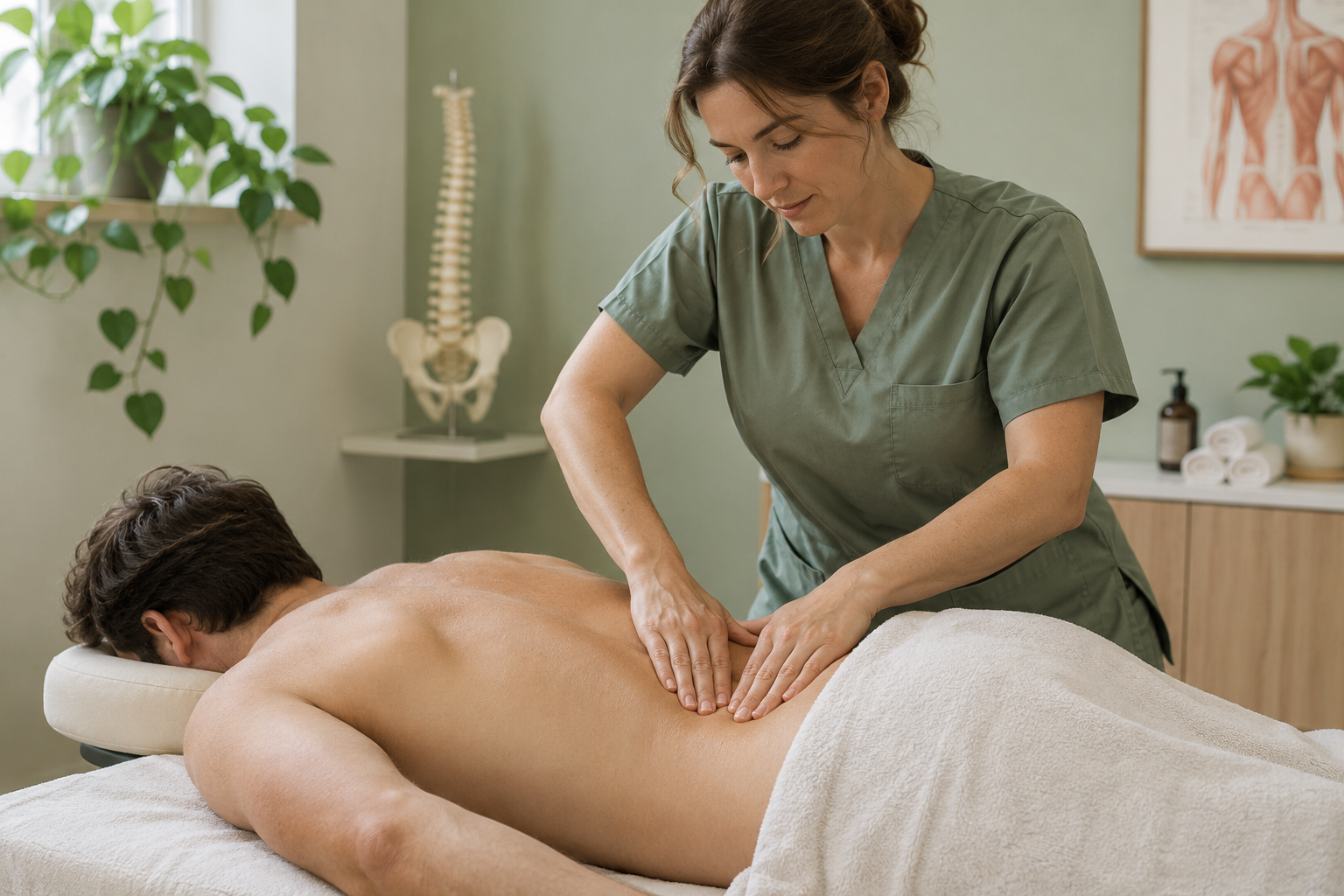
Massage may temporarily reduce muscle soreness and tension and improve comfort. It does not remove a disc herniation or widen the spinal canal. If a session brings relief, use that opportunity to resume movements that were difficult.
Severe pain during massage does not show that treatment has reached the cause. Intensity should be tolerable. Anticoagulants, marked osteoporosis, damaged skin and unexplained acute pain call for additional precautions. 3,10
4. Acupuncture and device-based treatments
Acupuncture
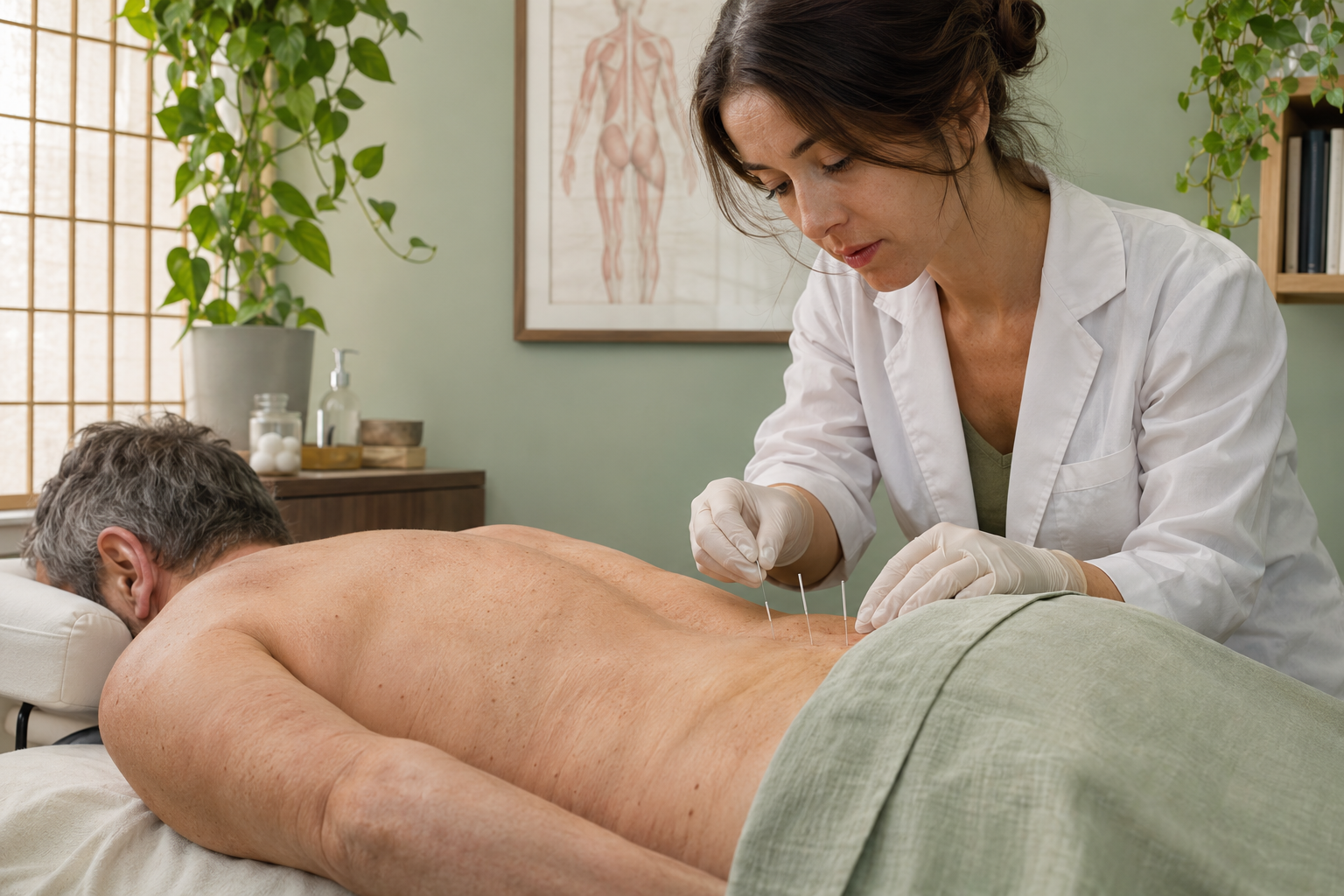
Thin needles are inserted into selected tissues, usually without injecting medication. This distinguishes acupuncture from a therapeutic injection. Some people report less pain, but the size and specific nature of the effect remain debated.
Guidelines differ. The World Health Organization (WHO) and US guidelines allow acupuncture for certain forms of chronic pain, while the UK's National Institute for Health and Care Excellence does not recommend it for low back pain and sciatica. It is not a compulsory step for everyone. Discuss a realistic goal, cost and review date. A qualified practitioner and sterile single-use needles are essential. 7,8,10,11,28
Shockwave therapy
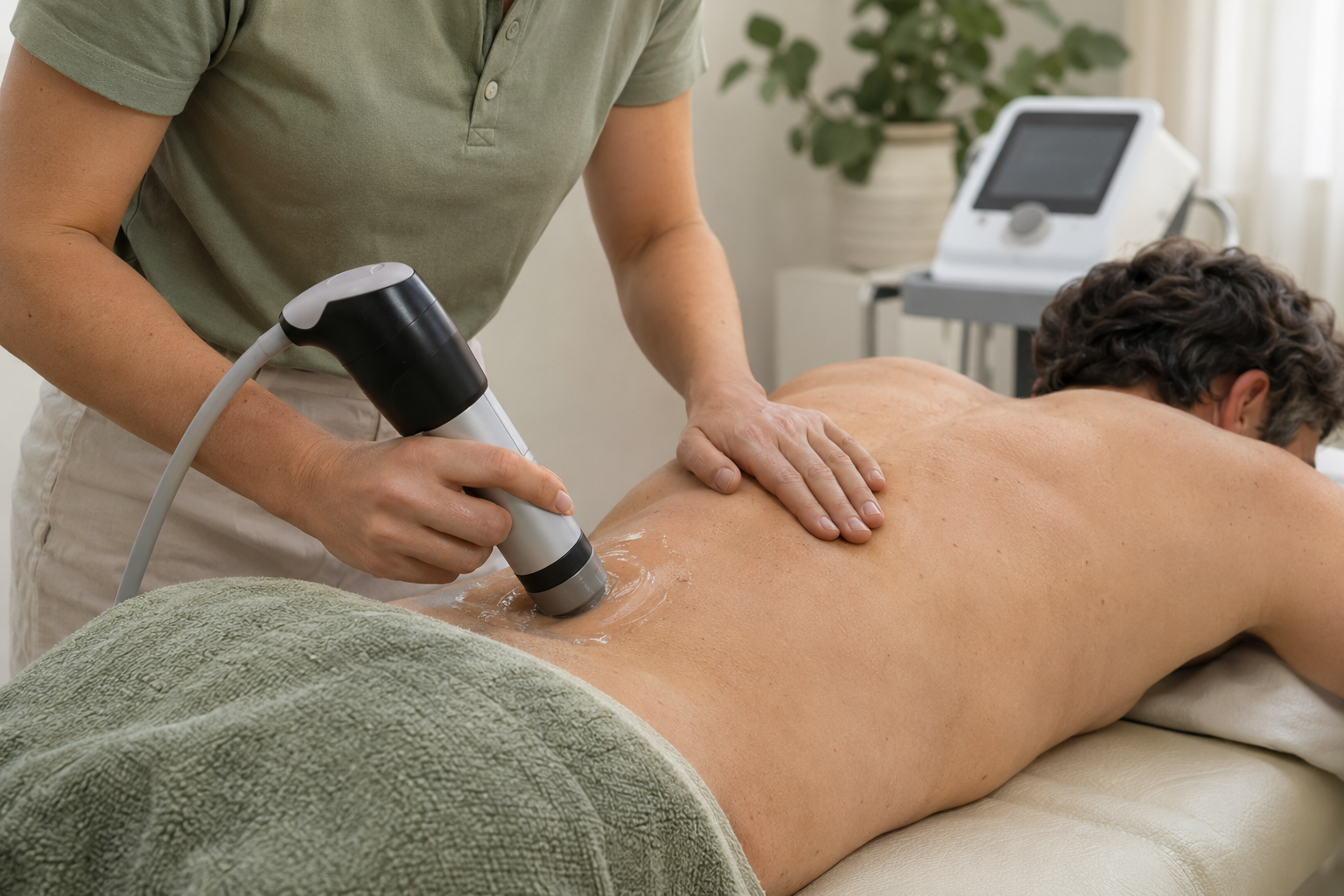
An applicator transmits mechanical impulses into tissues. For low back pain, it is mainly discussed for muscle and fascial symptoms; it does not break up a herniated disc or release a compressed nerve. Radial and focused technologies differ, so findings cannot automatically be transferred between them.
Recent reviews suggest possible short-term pain reduction, but studies vary, long-term follow-up is limited and functional improvement may be small. This is a possible adjunct, not a replacement for active rehabilitation. The treatment area, bleeding disorders and other contraindications need assessment first. 12
TENS: transcutaneous electrical nerve stimulation
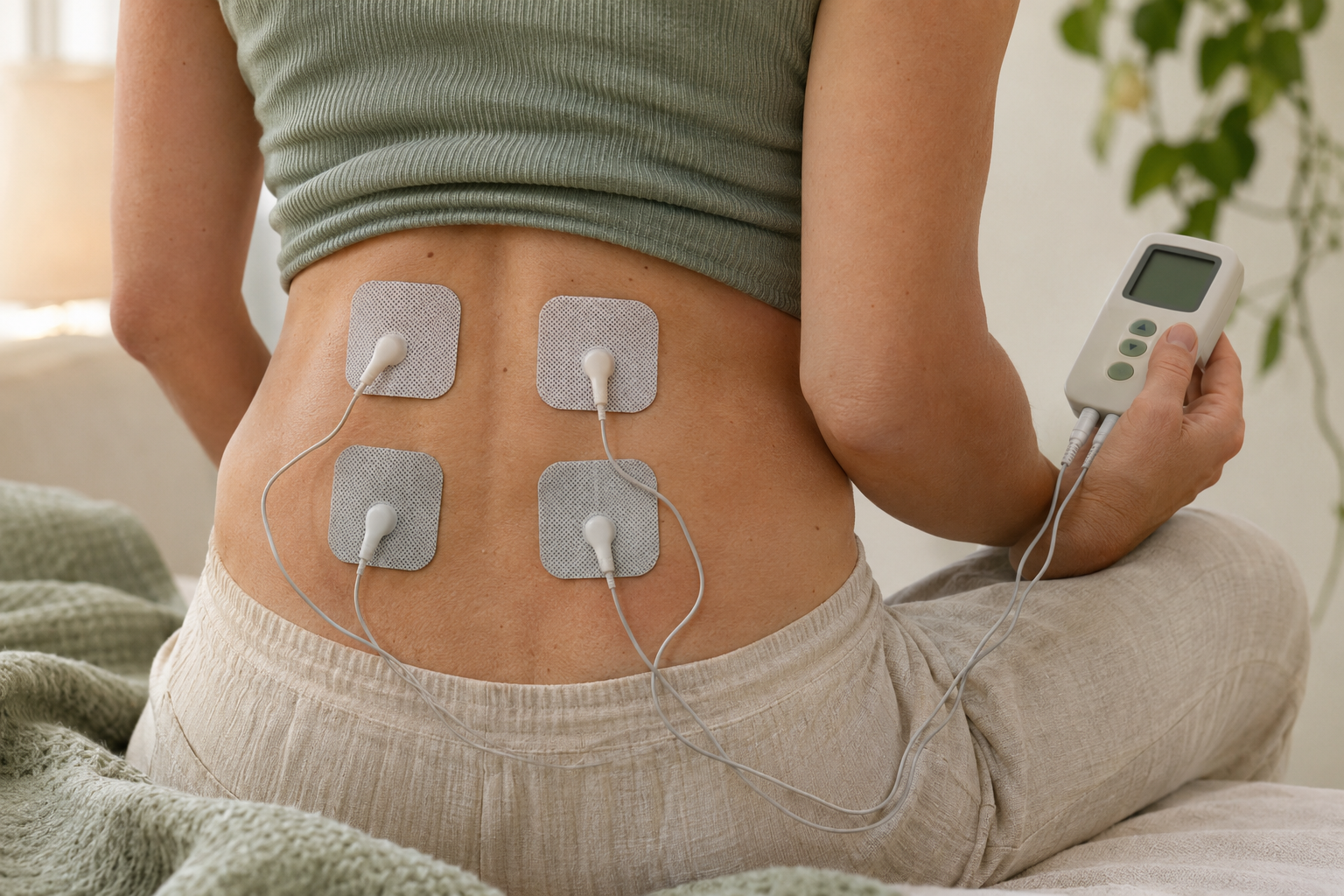
A small device delivers impulses through adhesive skin electrodes, usually producing a tingling sensation. No needles or medicines are used. TENS differs from muscle stimulation for training and from implanted neurostimulation.
Some people may obtain temporary relief, but lasting benefit specifically for low back pain has not been convincingly established. The British institute and WHO do not recommend routinely adding TENS for the forms of low back pain covered by their guidance. An individual trial should have a clear goal and must not displace movement. 8,28
With a pacemaker or another electronic implant, epilepsy or pregnancy, do not use TENS independently without professional agreement. Do not place electrodes on damaged skin or use the device in water. 13
5. Heat, therapeutic packs and cold
Warm compresses and wraps
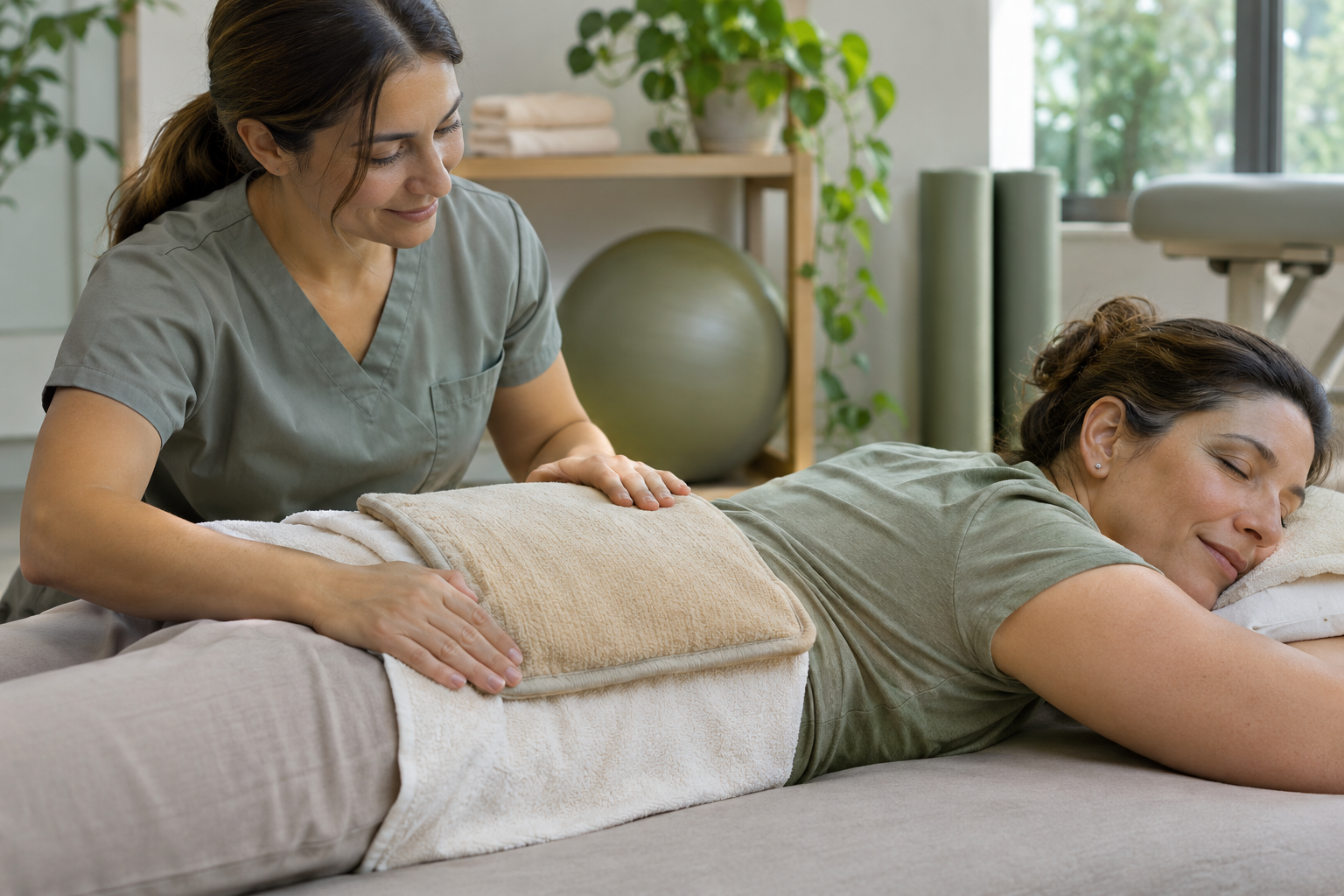
Moderate warmth may briefly ease discomfort and muscle tension. It can be useful before movement if it makes exercise easier. This is symptom relief: heat does not rebuild a disc or treat nerve compression.
The main concern is burns. Extra care is needed with reduced sensation, poor circulation or inability to remove the compress yourself. Do not fall asleep on a hot pack or heat an area with unexplained pain, fever or inflamed skin. 1,3,11
Warm packs: paraffin, ozokerite and therapeutic mud
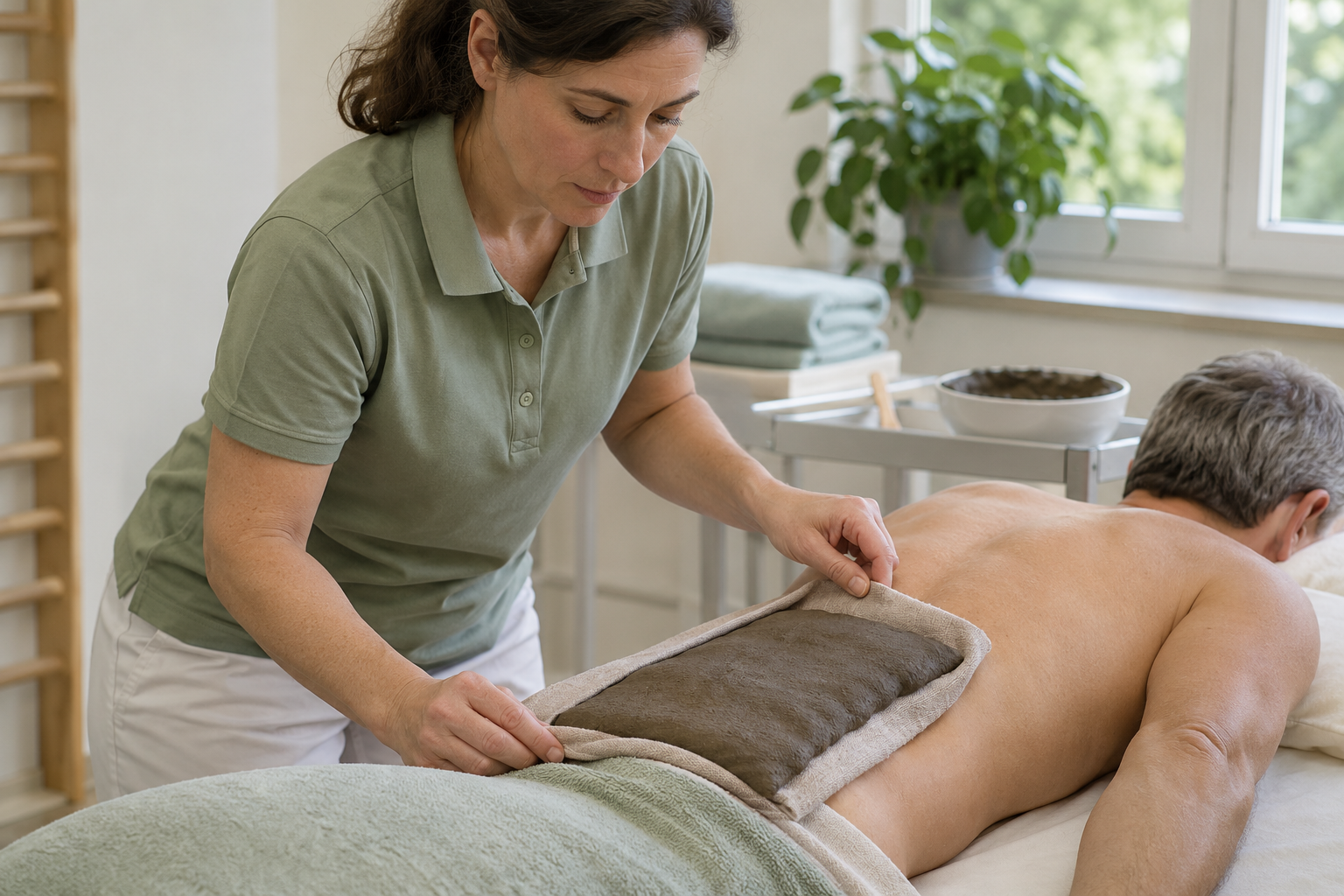
Warm packs may contain paraffin, ozokerite or therapeutic mud. These are different materials that store heat and release it gradually. Fango is a therapeutic mineral mud and can also be mixed with paraffin. Both are used in heat therapy, but they are not the same substance.
Some people find these treatments pleasant and temporarily relaxing. Research on balneotherapy and peloids suggests possible benefit, but does not justify promising that fango is superior to other heat treatments. Claims that it draws out inflammation or toxins or rebuilds cartilage are unproven. The same skin protection and precautions apply as for other heat treatments. 14
Cold therapy
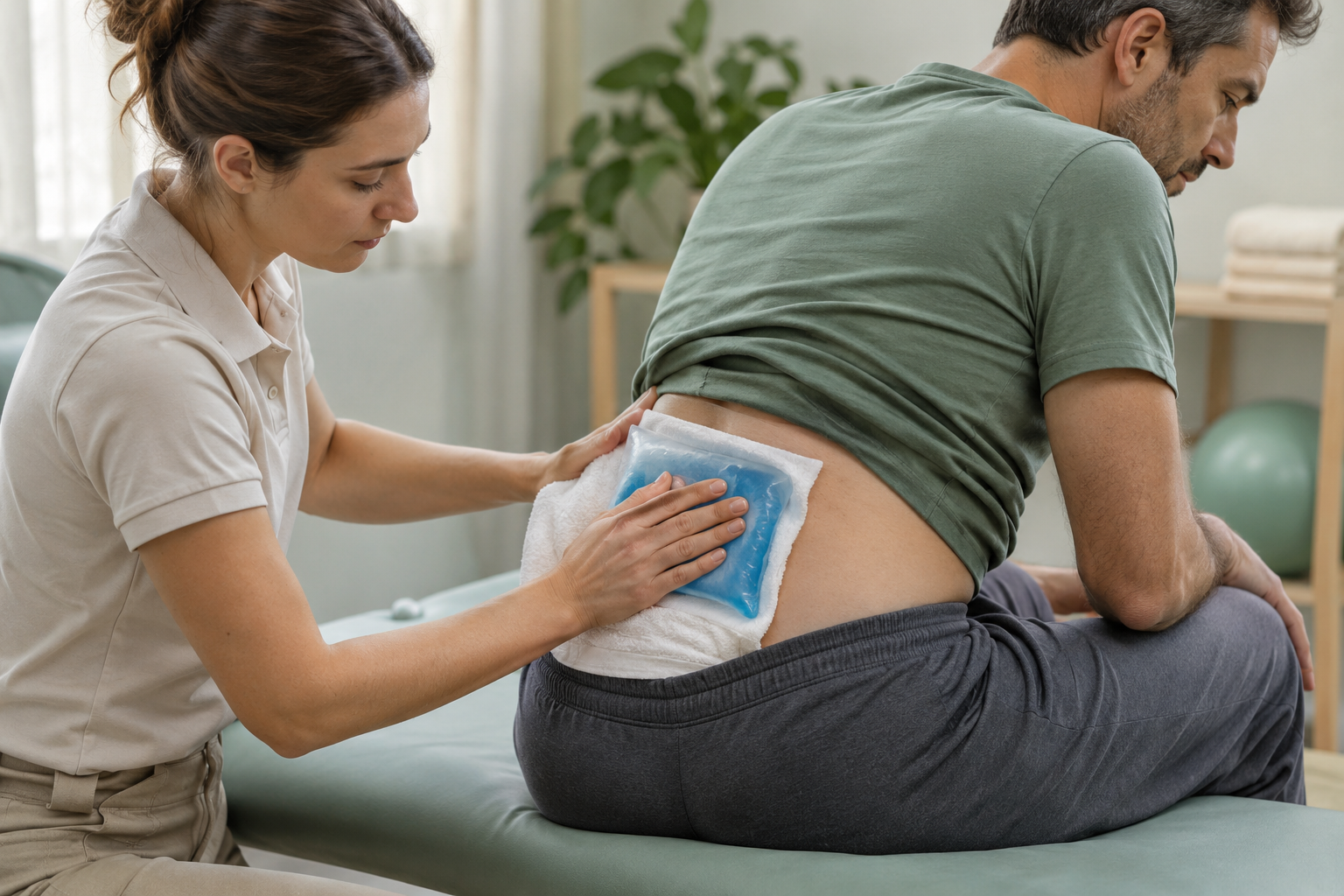
Brief cooling sometimes helps during a painful flare, but evidence specifically for low back pain is limited. Stop if cold makes symptoms worse. There is no universal rule that everyone needs cold first and heat afterwards.
Do not put a pack directly on the skin or use it for prolonged periods. Reduced sensation, significant vascular disease and cold intolerance may make this unsuitable. Choosing heat or cold does not replace investigating new, unusual pain. 1,3
6. Psychological approaches and multidisciplinary rehabilitation

Persistent pain affects sleep, mood and confidence in movement. In turn, poor sleep, anxiety and constantly expecting another flare can amplify pain and restrict activity. Addressing this cycle is a legitimate part of treating real pain.
Cognitive behavioural therapy, learning to manage activity, relaxation and gradually returning to feared movements can help restore everyday life. The psychologist's task is not to persuade you that nothing hurts, but to offer additional ways to manage the condition. 3,7
For substantial persistent limitations, a multidisciplinary programme can help: a doctor, physiotherapist, psychologist and other professionals when needed work to an agreed plan. This differs from a collection of unrelated procedures. Shared goals, progress reviews, sleep and a gradual return to work and activity matter. 4,7
In chronic pain, the effect of an intervention depends on more than local tissues. The nervous system, other conditions, sleep, tolerance of activity and social circumstances influence results. This approach neither dismisses an anatomical diagnosis nor replaces necessary surgery.
7. Treatments you may encounter that should not become the mainstay
Spinal traction
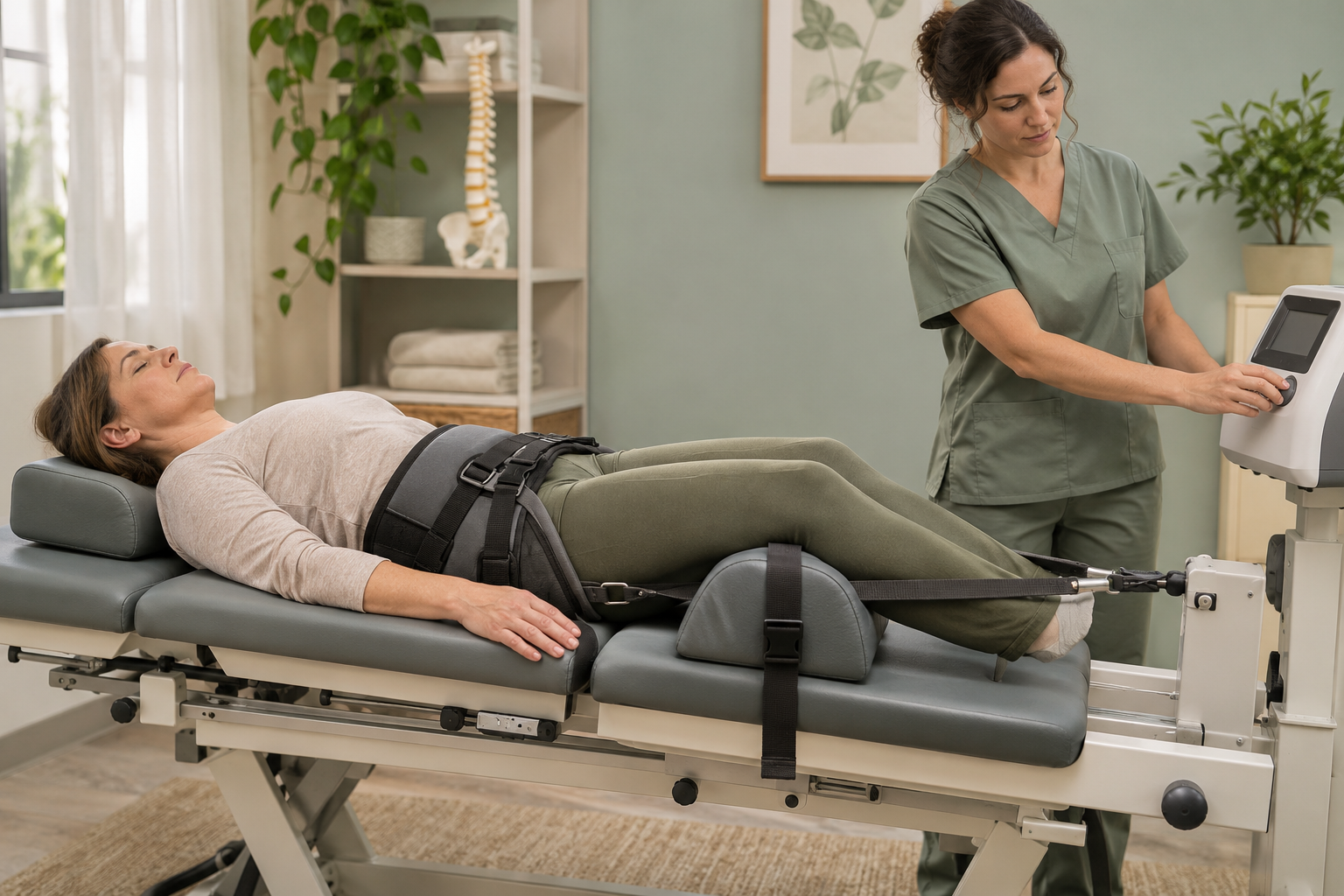
Traction applies a pulling force through equipment or particular positions. The idea that it can permanently separate vertebrae and pull a herniation back in is unsupported. The British institute and WHO do not recommend routine traction for the forms of low back pain covered by their guidance. Inversion tables also have cardiovascular, eye-related and other limitations. 8,28
Therapeutic ultrasound
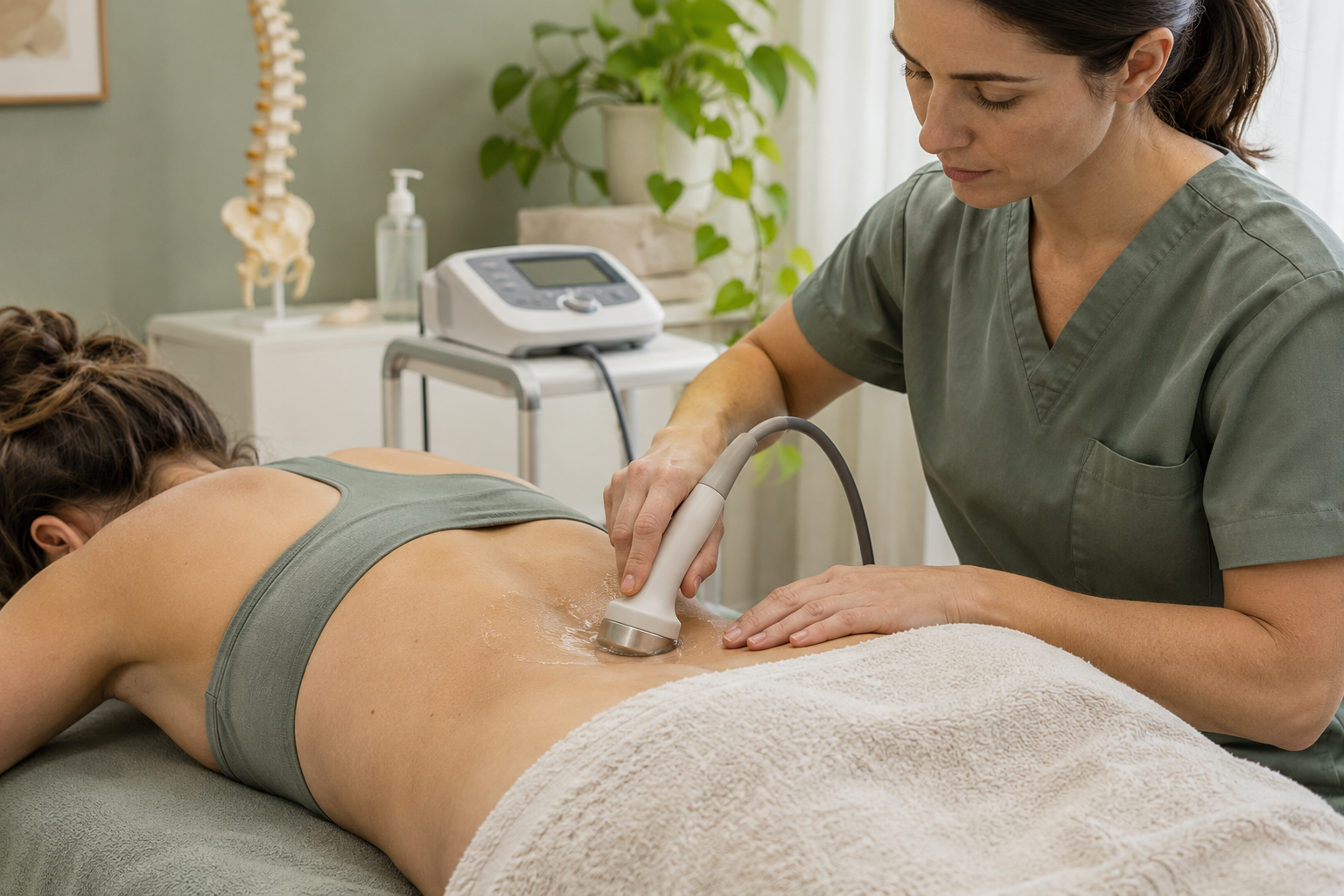
This delivers acoustic energy through a gel-covered applicator. It differs from diagnostic ultrasound and shockwave therapy. There is no convincing basis for routine use in nonspecific low back pain. Producing deep heat does not, by itself, demonstrate meaningful patient benefit. 3,8
Cupping
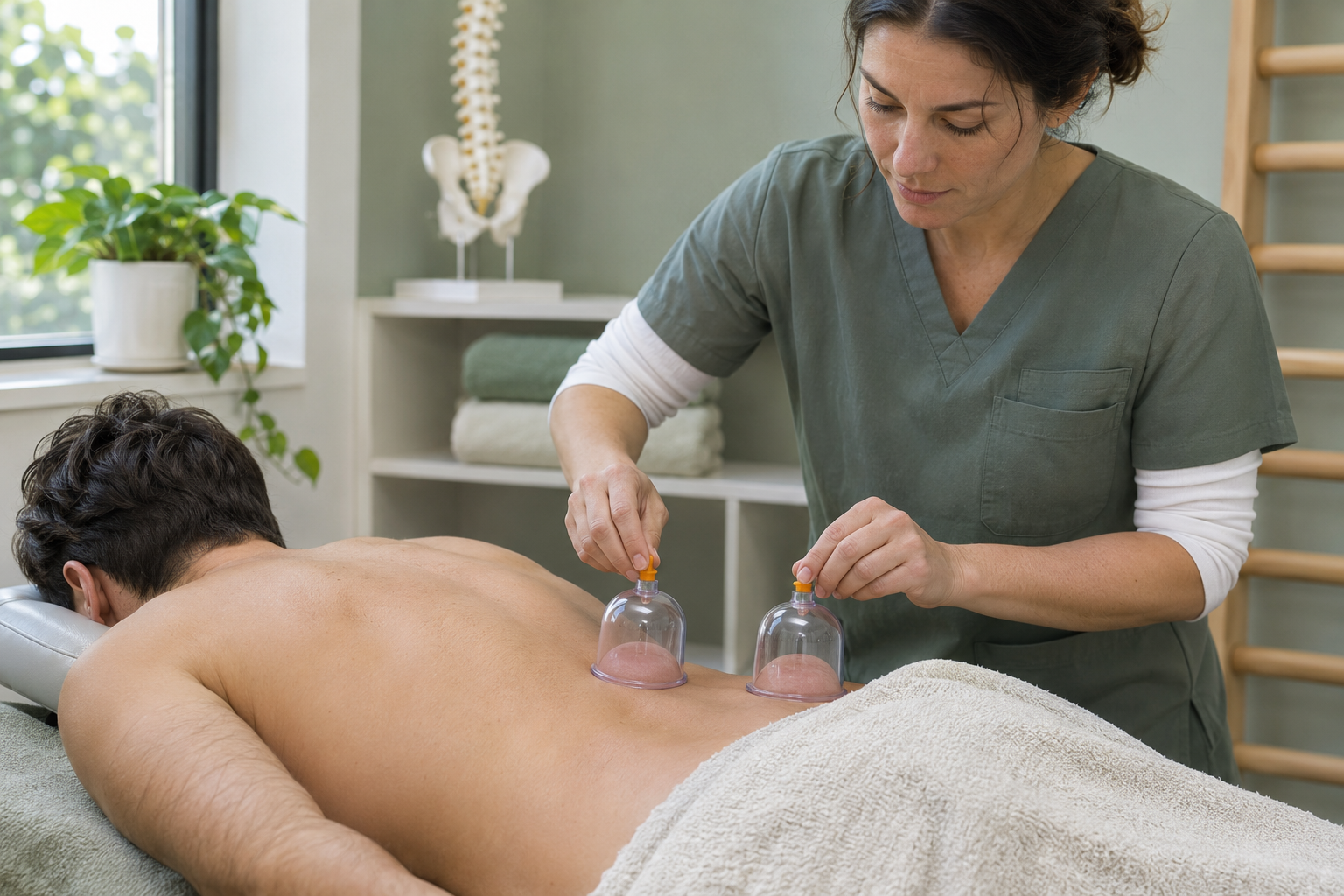
Suction lifts the skin and leaves characteristic marks. Most research on possible pain relief is of low quality. Bruises do not show that toxins have left the body or measure success. Skin damage, burns and infection are possible; bloodletting adds risks. Cupping is not an essential step in low back pain care. 15
Other offers, including lasers, magnetic devices, taping, braces, advertised decompression and branded programmes, should face the same questions: which condition has supporting evidence, how large is the expected benefit and does it change daily life? Evidence differs between techniques and indications; calling something physiotherapy does not make all procedures equally useful. A guarantee to restore a disc without a clear diagnosis is a warning sign. 3,9
8. Medicines: easing symptoms and supporting recovery
Medication is chosen for an individual's goal and risks. Do not combine several drugs from the same class or add another injection yourself. Even non-prescription painkillers can interact with regular medicines.
Non-steroidal anti-inflammatory drugs (NSAIDs) sometimes reduce pain. The clinician considers the stomach and bowel, kidneys, cardiovascular risk, blood pressure, anticoagulants and pregnancy. Use the lowest adequate dose for the shortest necessary time; stomach protection may be needed. 8,11
Paracetamol, also called acetaminophen, is not convincingly effective on its own for nonspecific low back pain. Being available without a prescription does not remove risk: total dose and liver health matter. 8
Muscle relaxants are sometimes considered briefly for acute pain, but expected benefit is limited and drowsiness, dizziness and falls can be important. They are unsuitable for routine long-term treatment. Benzodiazepines are not a usual solution for back pain. 7,11
Medicines for neuropathic pain and some antidepressants. Distinguishing diagnoses is essential. A drug that helps one nerve condition does not necessarily help sciatica. Gabapentin and pregabalin should not automatically be prescribed whenever pain radiates into a leg. Guidelines on duloxetine differ: VA/DoD allows it for chronic low back pain, whereas the British institute does not recommend antidepressants for ordinary low back pain. The decision is individual and does not mean the clinician regards pain as depression. 7,8
Opioids, including tramadol. Tramadol is an opioid too. Routine use for chronic nonspecific low back pain is not recommended because long-term benefit is limited and dependence, overdose and other complications are concerns. Exceptional use needs a clear goal and monitoring. Do not abruptly stop medicines you already take without professional advice. 7,8
Corticosteroid tablets or systemic injections are not a universal course for inflammation in the back. Systemic treatment differs from a targeted epidural injection and has its own limitations. Antibiotics, vitamins and cartilage supplements do not replace treatment of an established cause. 7
9. Back injections: one label, different procedures
The difference is not syringe size. What matters is where medication is delivered, why and with what guidance. An ordinary intramuscular painkiller acts systemically; injecting near the lower back does not make it targeted spinal treatment.
A targeted injection may be therapeutic, providing temporary relief, or diagnostic, checking whether the usual pain changes after numbing a suspected source. A positive response informs a decision but is not absolute proof: false-positive results occur. 5,16
The images below show the anatomical target only. They do not reproduce every procedural step, guidance image or safety measure.
1. Injection into a muscle or painful trigger point
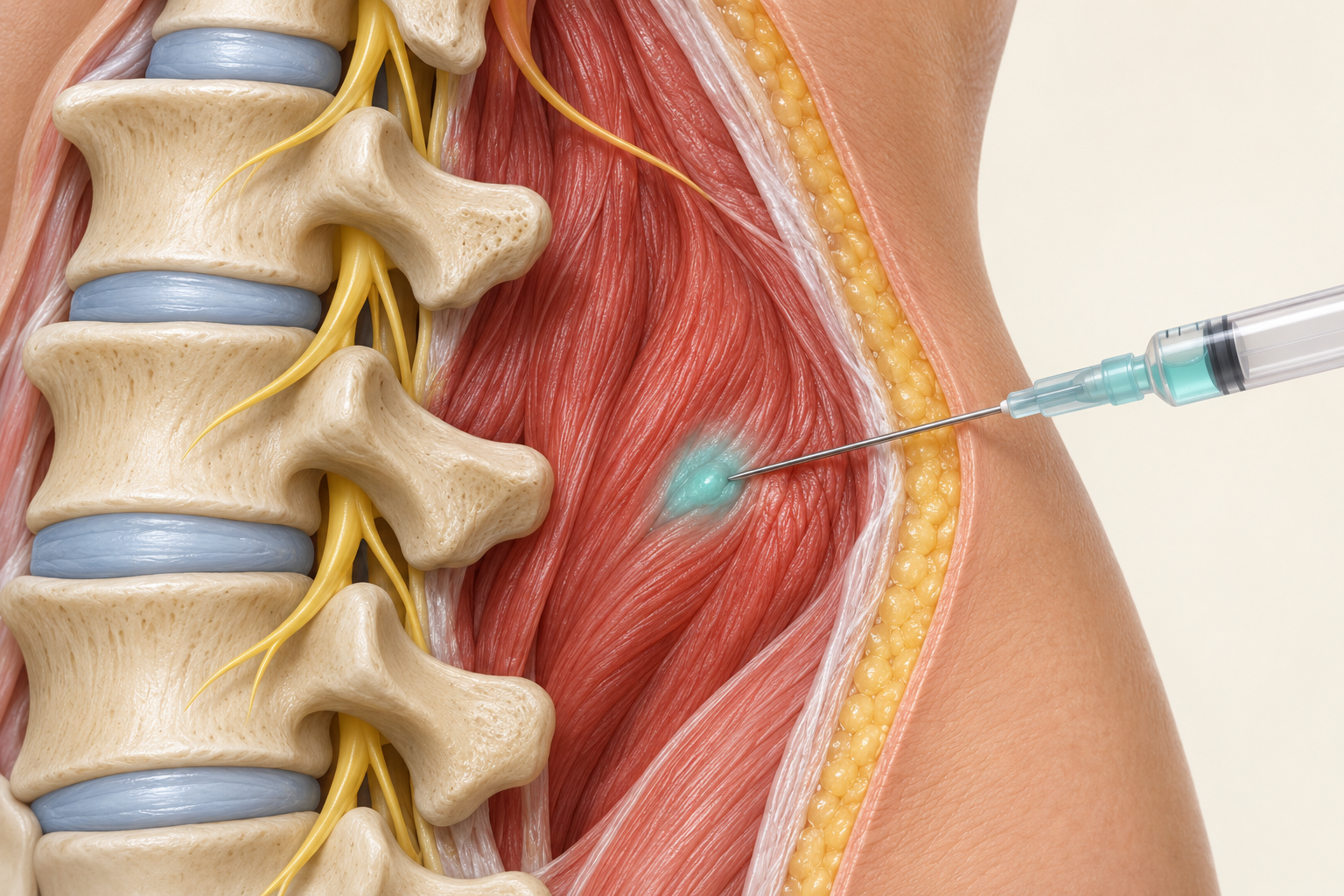
Medication is delivered into a selected muscle area. This differs from a nerve-root block. It is sometimes considered for pronounced local muscle tenderness, but identifying a trigger point is not always reproducible and evidence of lasting benefit is limited. Injections must not replace movement or reassessment if there is no benefit. 3,17
The target shown is in muscle, not a disc, joint or spinal canal.
2. Periradicular therapy (PRT): transforaminal epidural injection
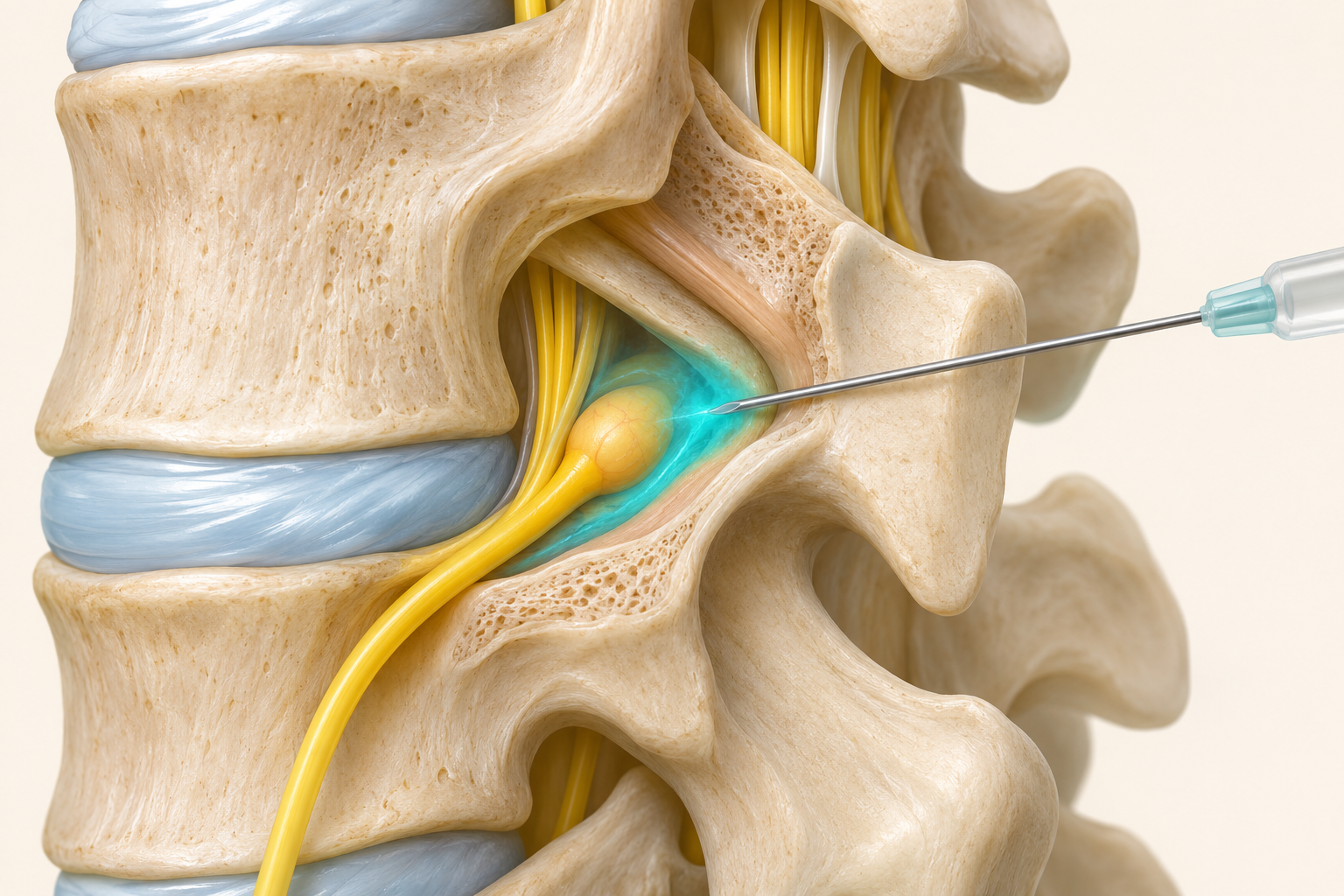
Medication is directed towards a particular nerve root through the intervertebral foramen. The aim is to reduce the inflammatory component of radicular pain; medication is not injected into the nerve itself. In current German terminology, PRT is a targeted transforaminal approach to the epidural space. 16
For some forms of radiating leg pain, short-term relief may support movement and rehabilitation. The injection does not remove a herniation or guarantee that surgery will be avoided. Expectations differ for pain confined to the lower back. 18
Medication is shown beside the root: this is not an injection into the nerve.
3. Interlaminar epidural injection
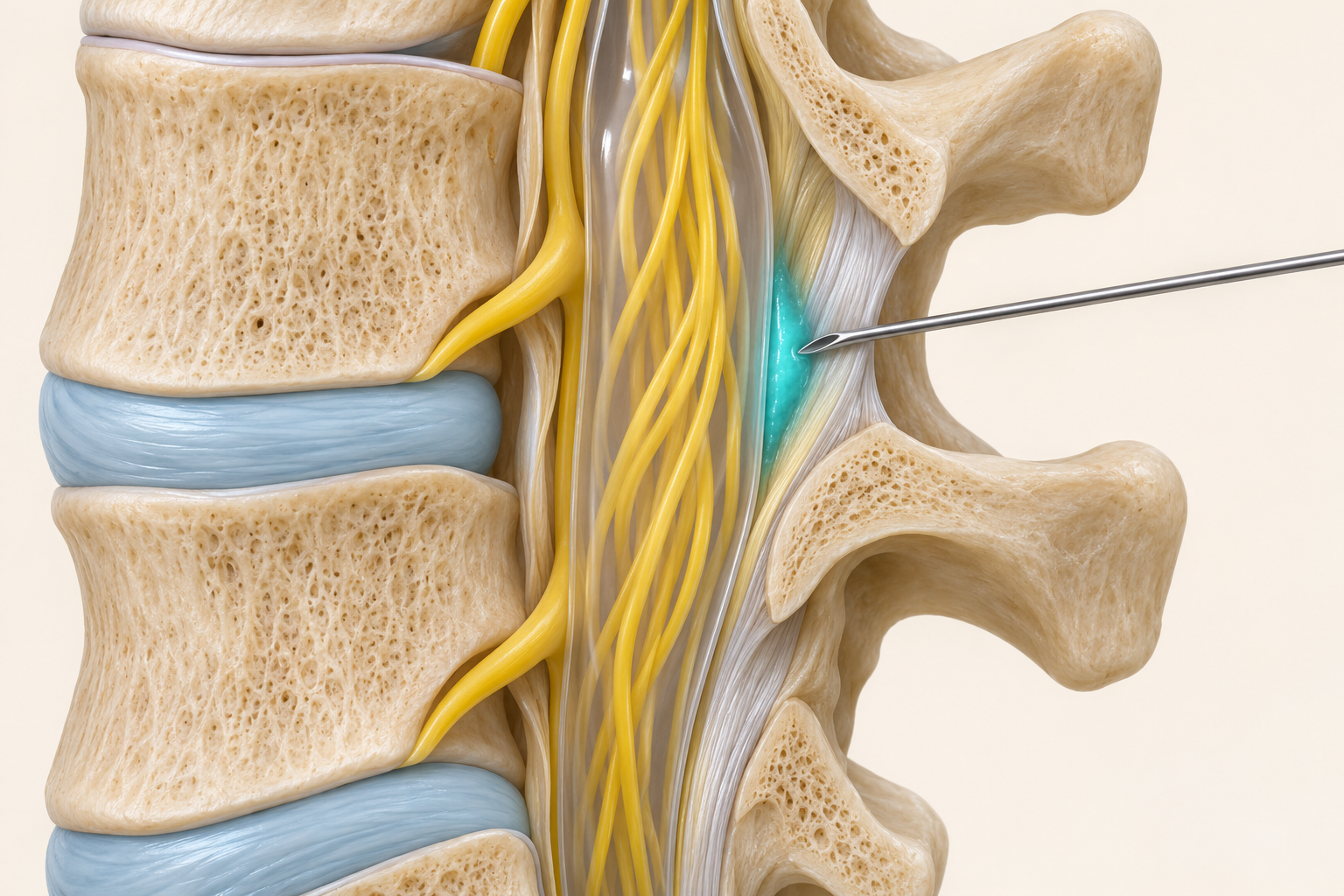
Medication enters the epidural space between the posterior bony structures of adjacent vertebrae. It may spread more widely than with a targeted transforaminal approach. Selection depends on symptoms, anatomy, previous operations and risks. This differs from spinal anaesthesia: an epidural target lies outside the dura. 3,5,16
A small medication area is shown behind the dura. In the lower lumbar region, the cauda equina nerve roots run inside the dural sac.
4. Caudal epidural injection
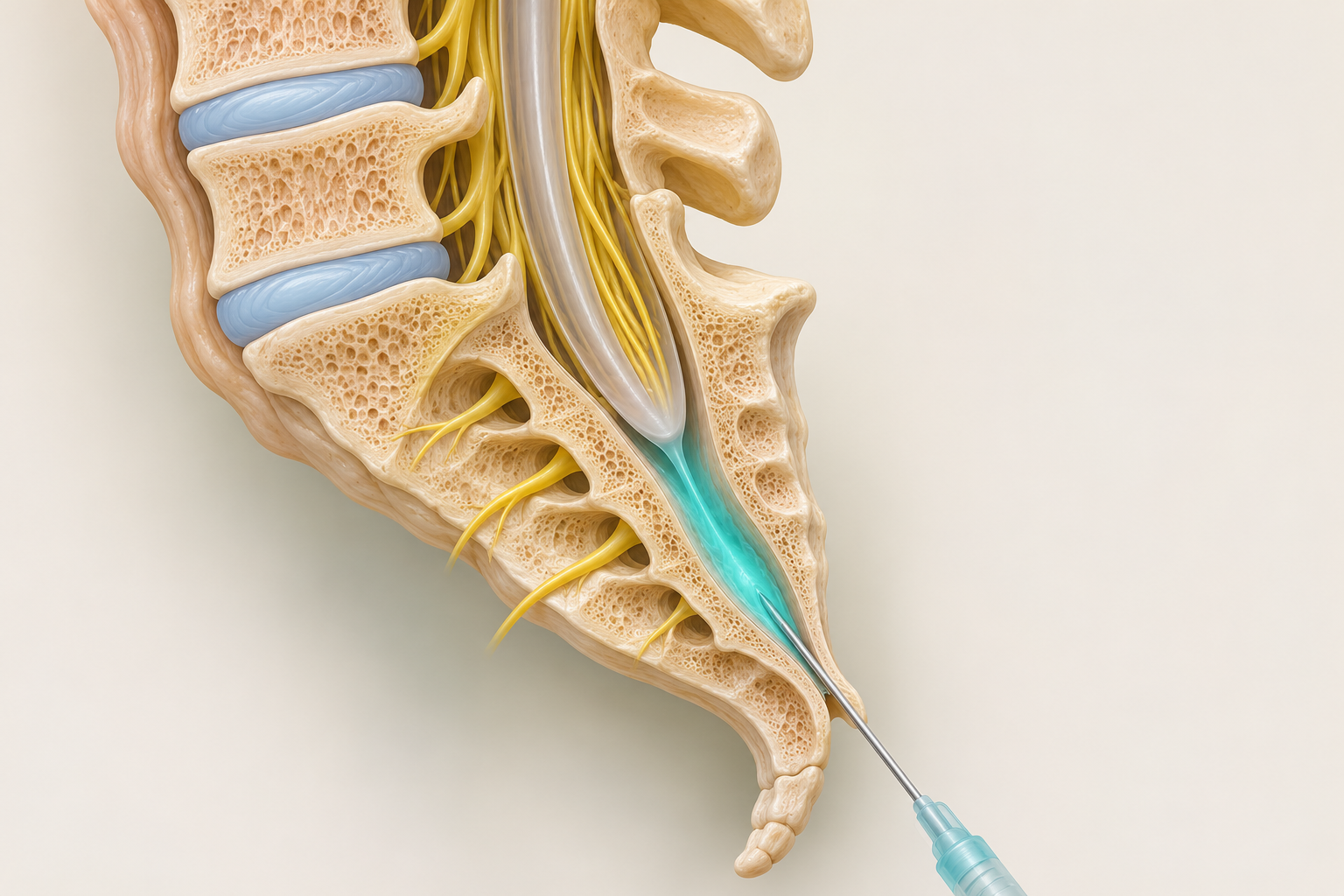
The access is through a natural opening near the lower end of the sacrum, the sacral hiatus. Medication spreads upwards in the epidural space. This route may be selected because of postoperative changes or other anatomical considerations. It is less targeted to one root and is not automatically the safest or most effective option for everyone. 3,5
Access is shown from below through the sacral hiatus, not into the intervertebral disc.
5. Facet joint injection
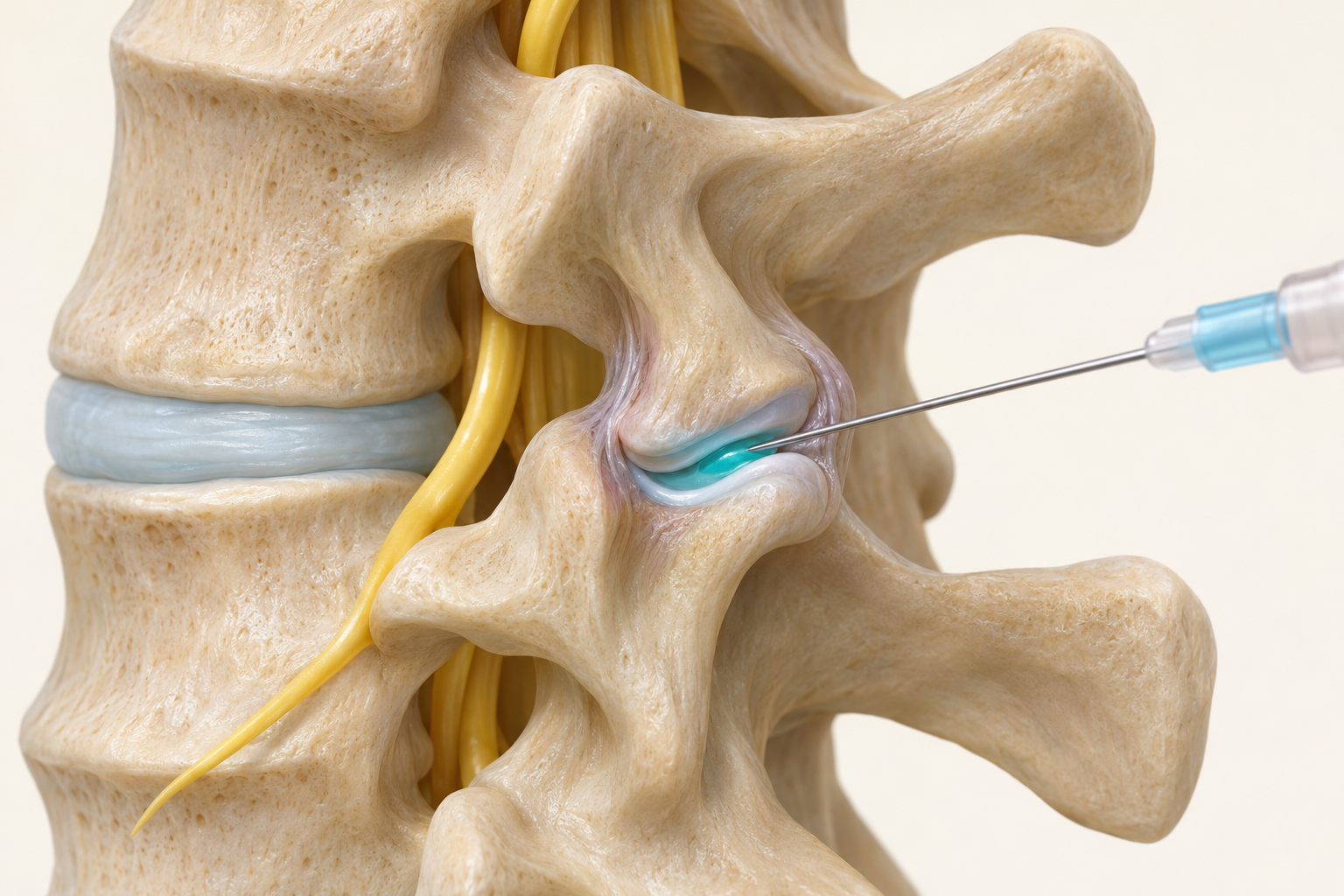
The needle targets a small joint between vertebrae. This differs from numbing the nerve branches carrying signals from that joint. Degenerative changes on MRI alone do not prove that the joint is painful. Therapeutic joint injections are not recommended as a universal treatment for chronic low back pain; lasting benefit remains disputed. 3,5,17
The target is the joint space, not the intervertebral disc.
6. Medial branch block
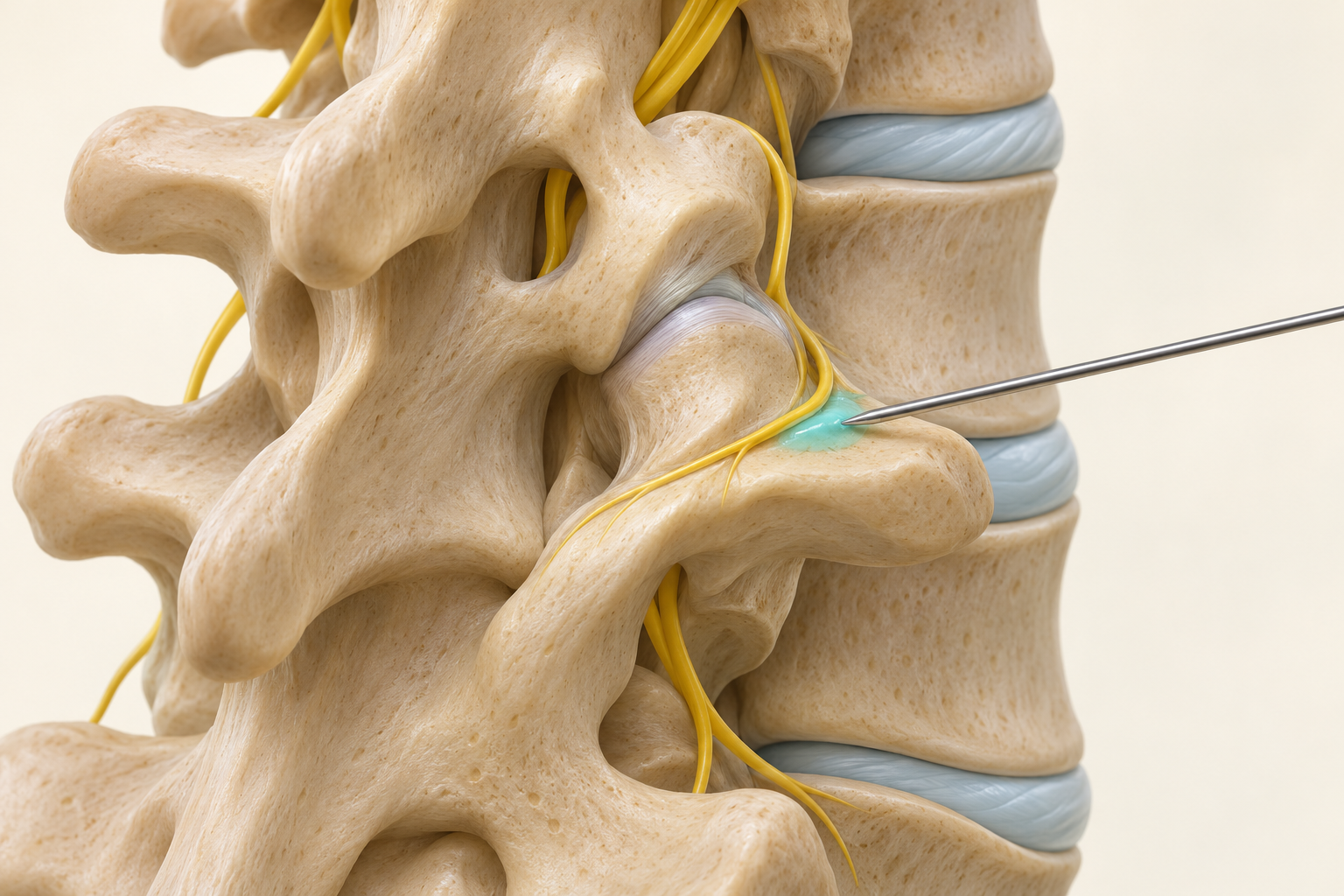
A small amount of local anaesthetic is delivered beside nerve branches carrying sensation from facet joints. This test helps select patients for radiofrequency denervation. It is neither a block of a major nerve running into the leg nor an injection inside the joint. 5,19
More than one nerve branch is usually considered for a single joint; only one representative target is illustrated. The response is assessed through changes in familiar pain and movements during the expected anaesthetic period. No test removes the possibility of diagnostic error.
The target lies beside a small nerve branch outside the spinal canal.
7. Sacroiliac joint injection
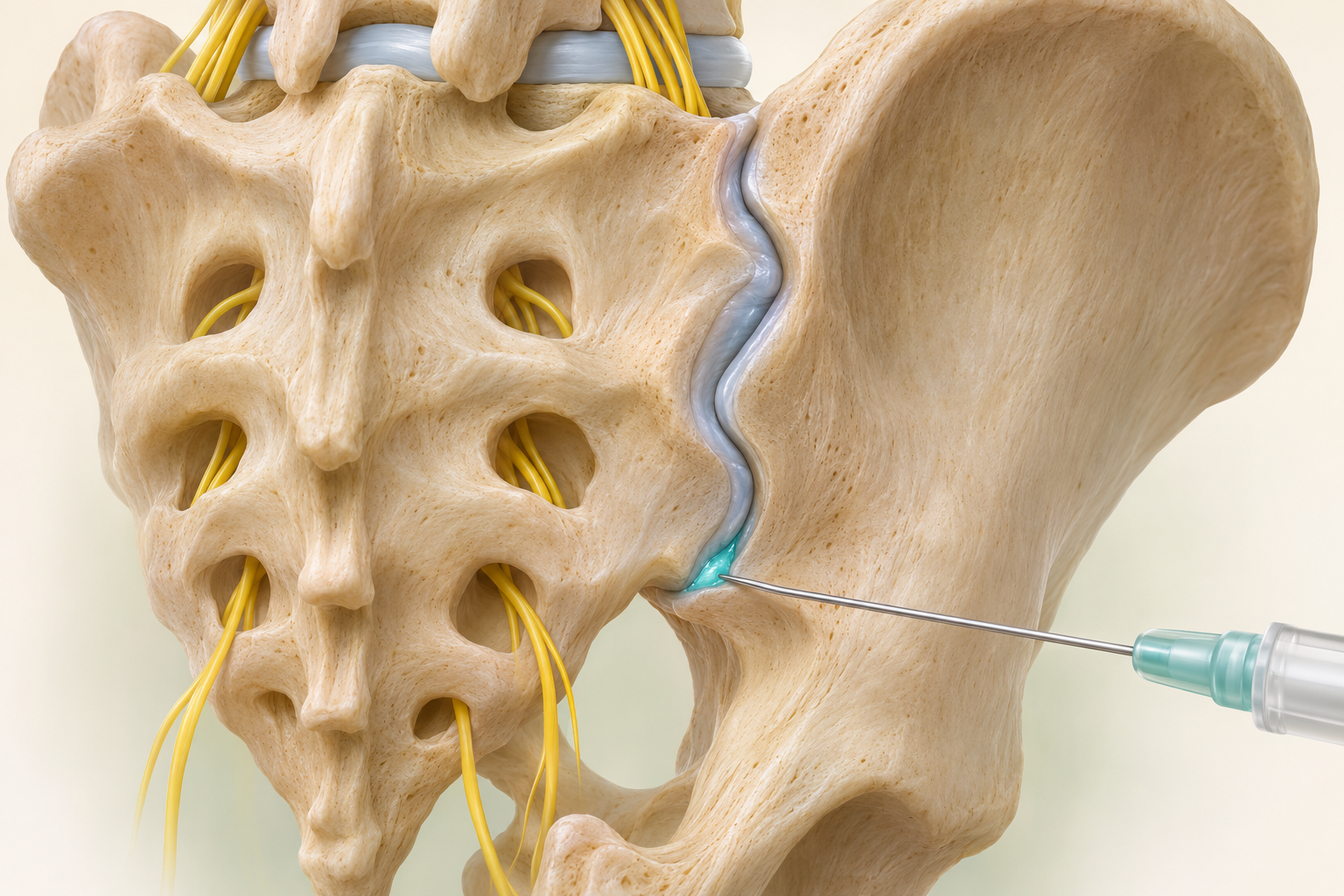
The target is the joint between the sacrum and pelvic bone. An injection may be used diagnostically or for temporary relief in selected patients. Buttock pain alone does not establish this source, and injecting the joint does not address every cause of lumbopelvic pain. 5
The lower articular part of the sacroiliac joint is shown, not the hip joint.
10. What to expect from injections and what to ask
The strongest evidence for epidural steroids concerns time-limited relief of radicular symptoms. Longer-term benefit is less certain. In lumbar stenosis, effects on pain and walking limitations differ from those in disc herniation with radicular pain. 18
Guidelines disagree. The German 2025 S3 guideline distinguishes epidural procedures by indication and approach. The 2025 BMJ guideline recommends against several injections and radiofrequency interventions for chronic pain; specialist societies dispute some conclusions. A uniform result cannot be promised, nor can one approach be presented as the only scientific option. 16,17,20
Discuss the goal, expected duration of relief, alternatives and when to stop. What follows if the procedure does not help? Injections should not be repeated automatically as a prepaid course.
Many targeted procedures require imaging: fluoroscopy, CT or, where appropriate, ultrasound. The method depends on the target. For epidural procedures, confirming placement and avoiding injection into a blood vessel are particularly important. Risks include infection, bleeding, allergy, temporary numbness and headache after dural puncture; severe neurological complications are rare. Steroids may temporarily raise blood glucose and cause other systemic effects. 5,16
Tell the clinician about anticoagulants, diabetes, pregnancy, allergies and infection. Do not stop blood-thinning medication yourself. Epidural steroid use may be outside the particular product's approved indication, or off-label, and needs discussion. PRP, ozone, stem-cell products and other injections are not automatically equivalent substitutes for established methods. 16
11. Radiofrequency procedures are not all the same
Thermal radiofrequency denervation applies controlled heat to selected sensory branches. It is sometimes considered for suspected joint-related pain following appropriate diagnostic tests. It does not remove arthritis, strengthen the spine or treat nerve-root compression. Relief may be temporary because nerve fibres can regrow. 5,19
Guidelines differ on benefit and patient selection. A positive block must not become a promise of guaranteed success. Other procedures within bone or discs have different targets and indications; they should not be grouped under the advertising label radiofrequency. 17,19
Pulsed radiofrequency (PRF) is discussed below. Its principle differs from thermal destruction of a sensory branch.
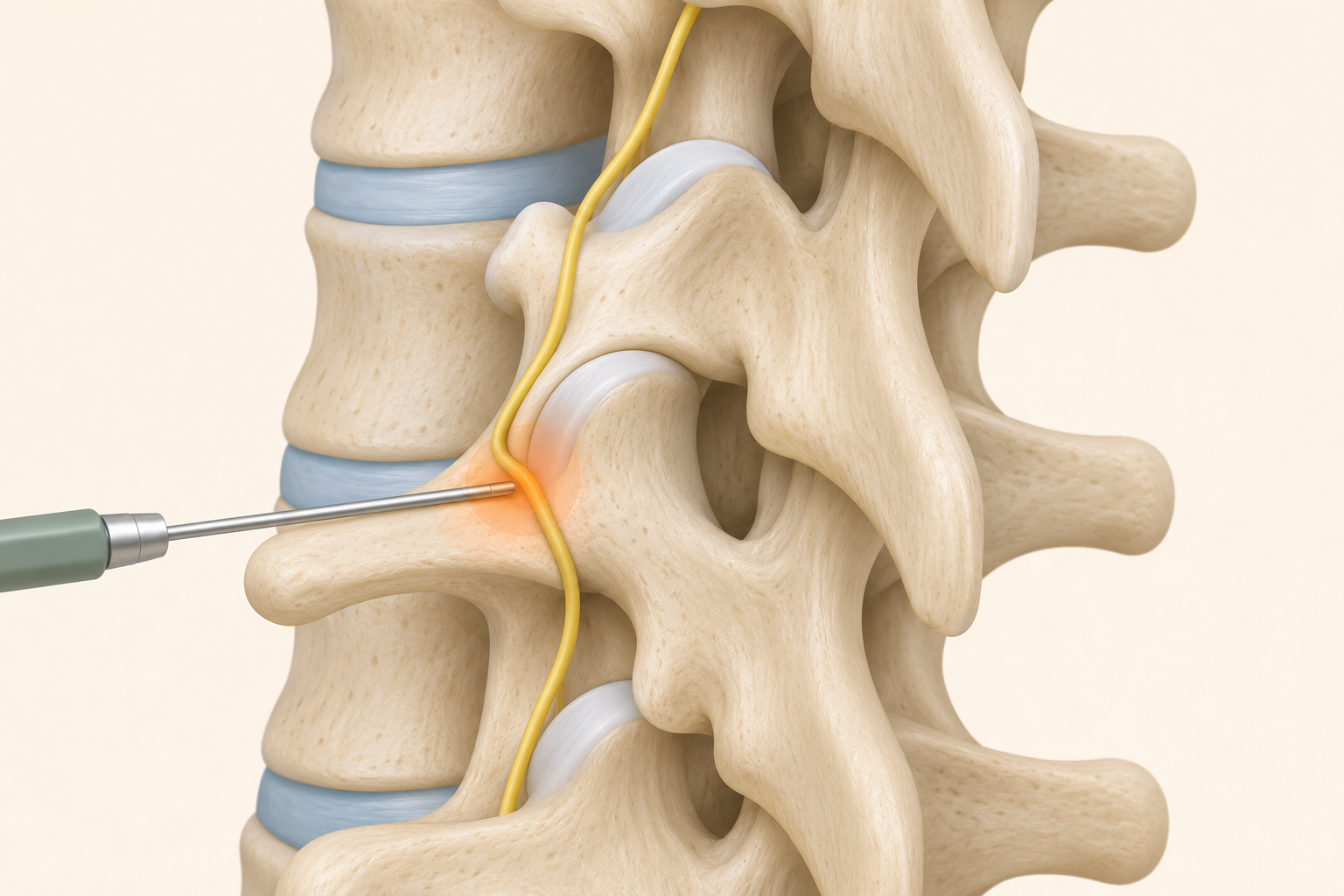
Diagram: local heat treatment of a small sensory branch, not the spinal cord or main nerve root.
12. When surgery is considered
Surgery is offered for a defined condition when its mechanism fits the symptoms and expected benefit justifies the risk. Not every imaging abnormality needs intervention, and persistent pain does not necessarily mean conservative care has been exhausted.
Decompression frees neural structures when they are compressed, for example in certain herniations or stenosis. It more often targets radicular pain and compression-related limitations than nonspecific back pain. Stabilisation and spinal fusion are considered for particular forms of instability, deformity and other defined conditions. Tumour, infection and fracture each need their own approach. 21
Endoscopic, microsurgical and open approaches are ways of performing a task. A small incision alone proves neither that surgery is necessary nor that the outcome will be better. Indications matter more than an attractive technology name.
Surgery using a microscope
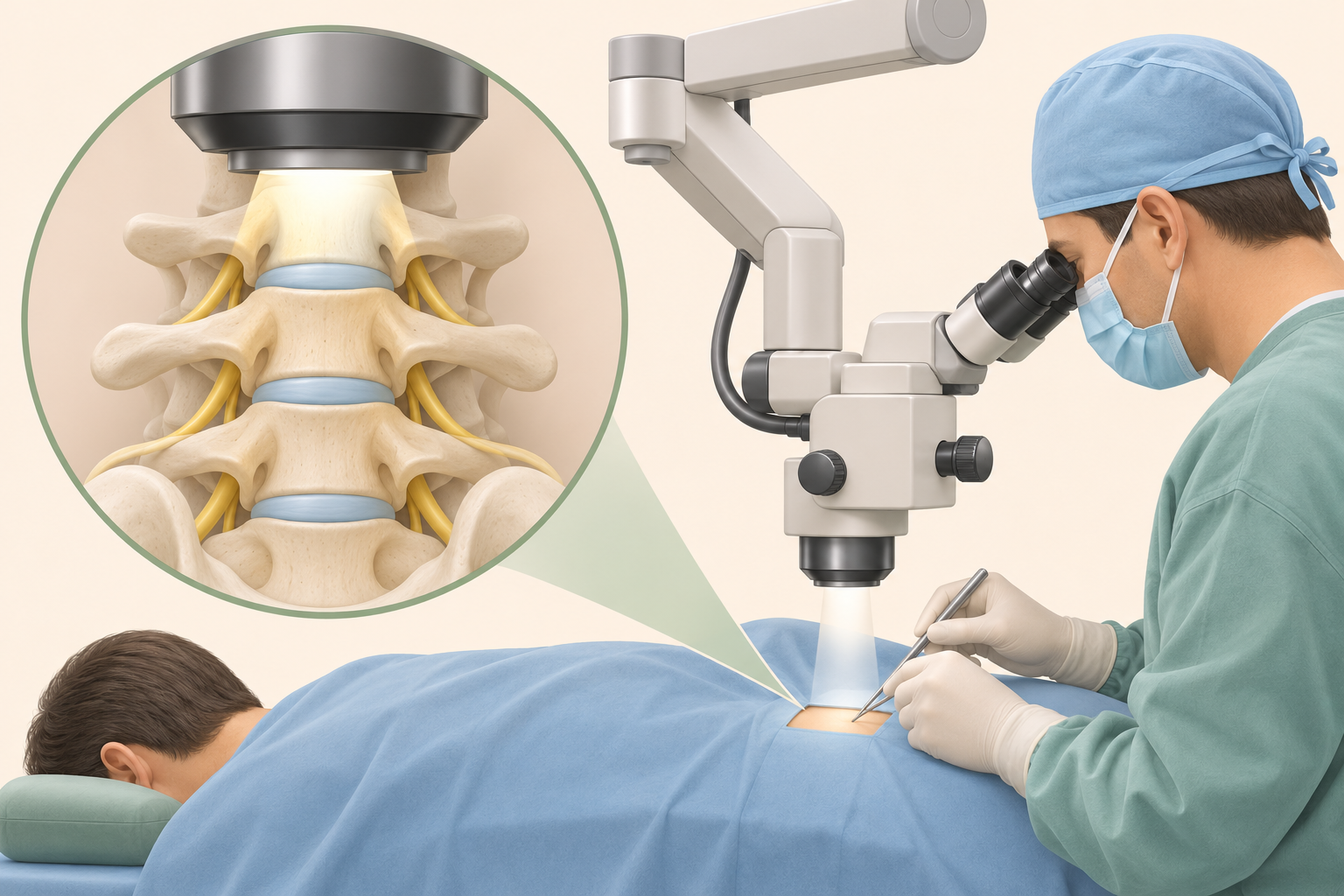
A microscope enlarges the operative field and helps reveal small structures. It does not determine whether surgery is indicated.
Endoscopic surgery
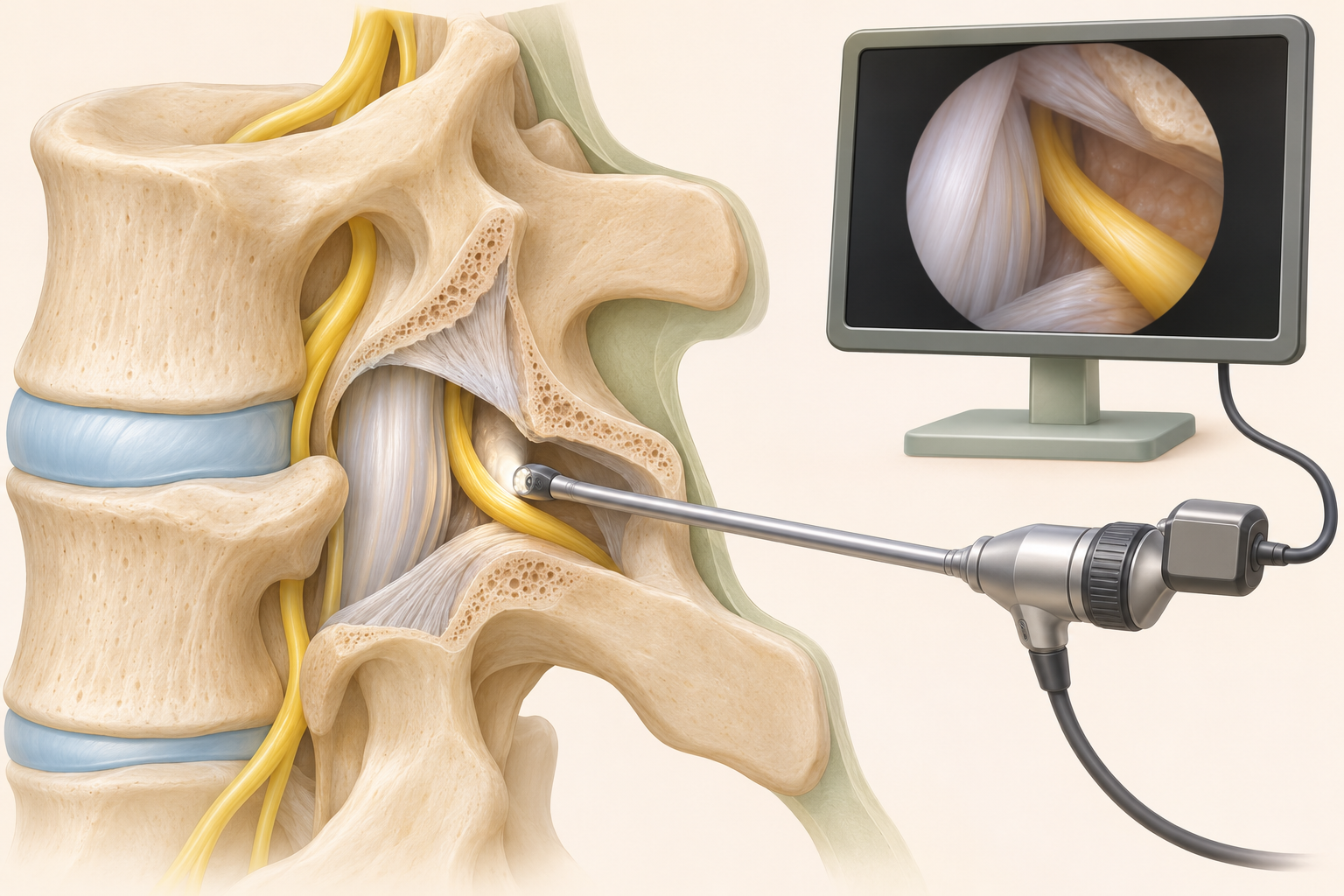
An endoscope provides a view through a small access. Suitability depends on the particular condition and anatomy.
Decompression: freeing neural structures
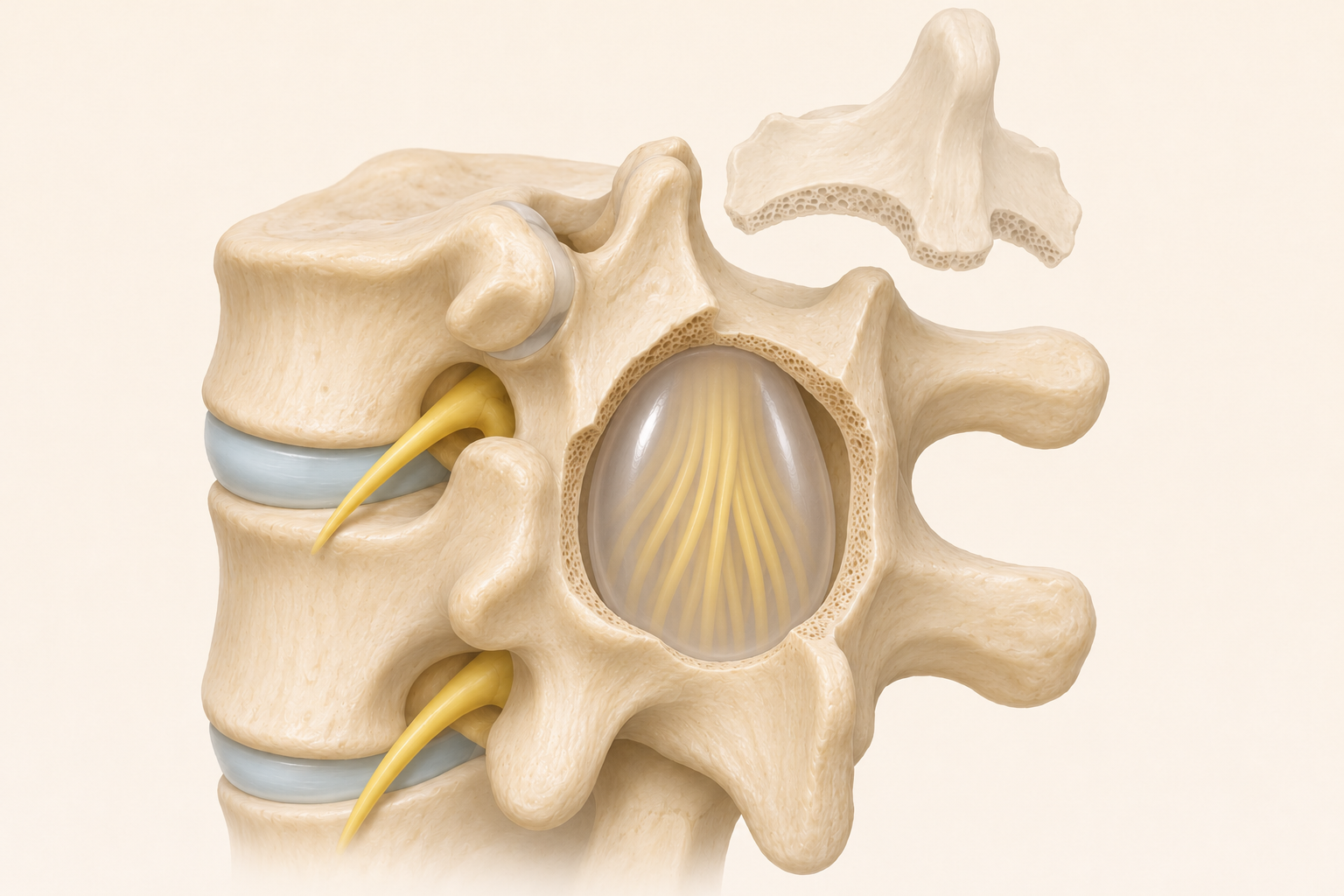
One example is shown: removing part of the vertebral lamina, the posterior bony roof of the canal. The cause of compression determines the extent; not every decompression requires removal of the whole lamina.
Spinal stabilisation
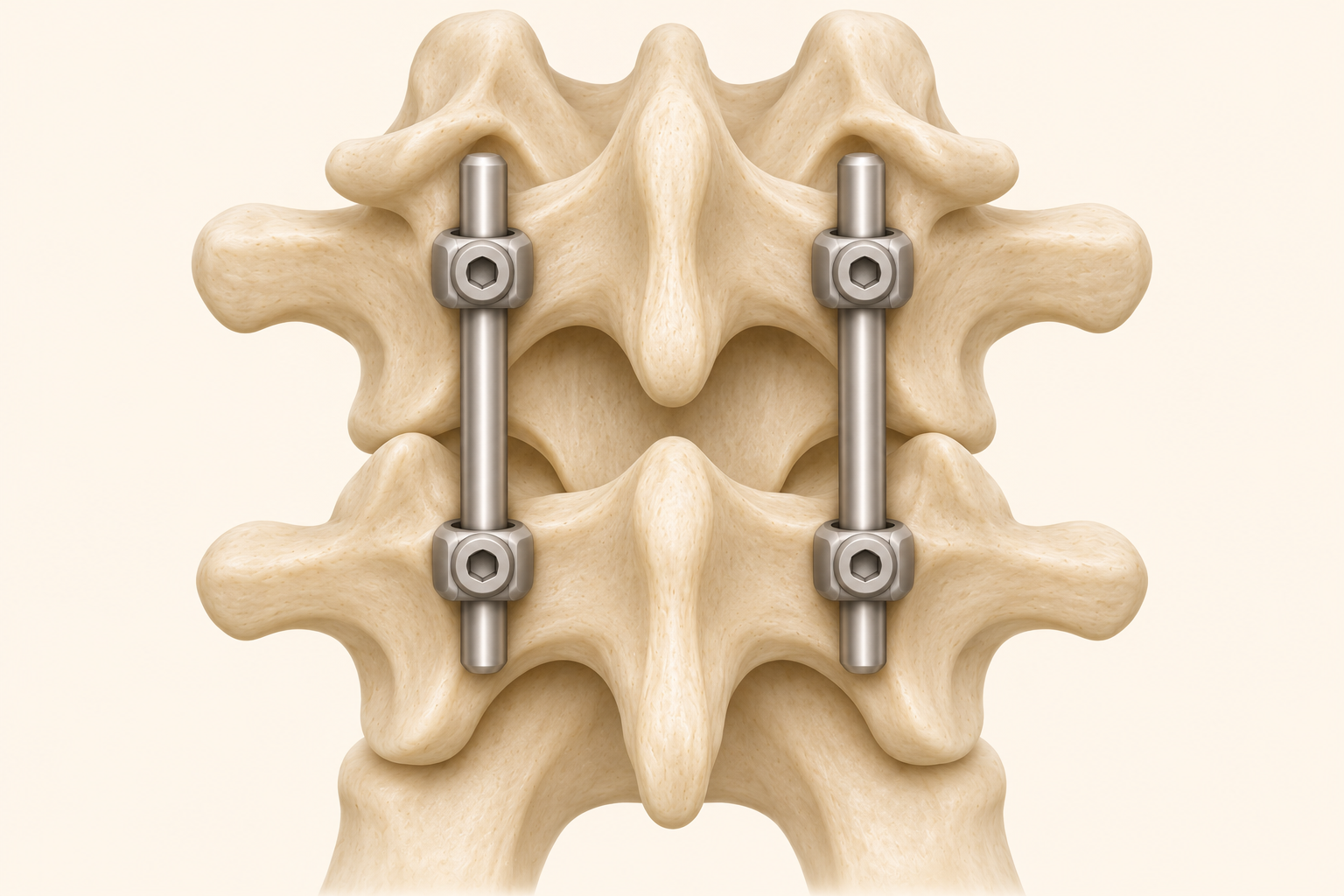
Hardware holds selected vertebrae in position. The diagram explains fixation, not the compulsory components of every operation.
Spinal fusion: joining vertebrae with bone
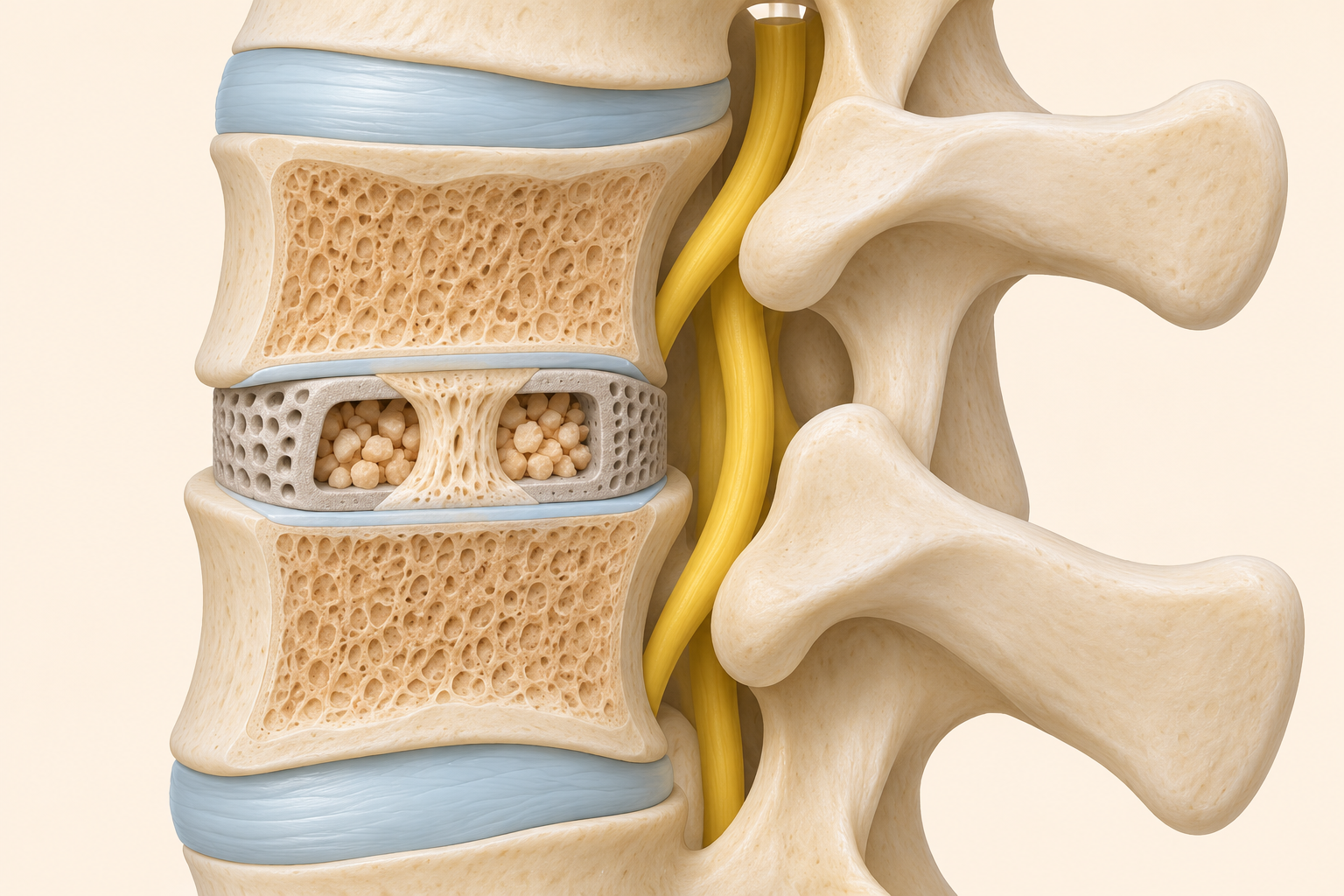
Fusion aims to form a bony connection between selected vertebrae. An interbody example is shown; other techniques exist. Stabilisation and fusion are often combined in one operation.
With cauda equina syndrome or significant progressive motor deficit, waiting for another course of physiotherapy may be dangerous. For elective surgery, discuss the likelihood of improving the relevant symptom, complications, alternatives and rehabilitation. Surgery does not replace rebuilding activity afterwards or guarantee that every type of pain disappears. 21
13. When pain becomes chronic: SCS, PNS, DRG-S and PRF
Chronic does not mean incurable. Before choosing neuromodulation, reassess the diagnosis, previous rehabilitation, sleep, medicines and whether another treatable cause remains. Neuromodulation changes pain signalling; it does not reposition a disc or remove mechanical compression.
SCS: spinal cord stimulation
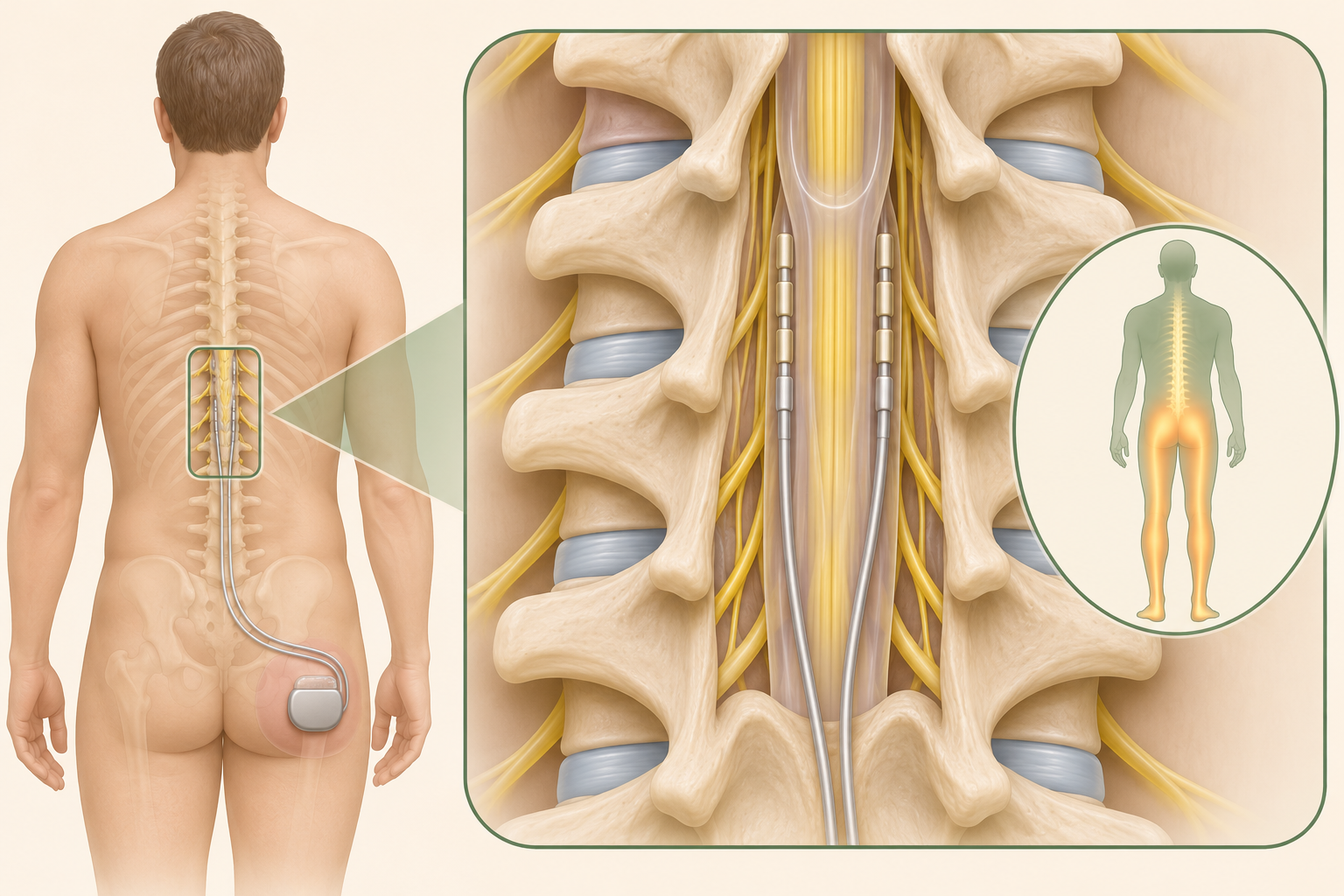
Leads are placed in the epidural space, outside the spinal cord's covering, and connected to a pulse generator. For back and leg pain, the leads are often above the most painful area. They are not inserted into spinal cord tissue.
SCS is considered for carefully selected patients with particular persistent pain syndromes, including neuropathic pain after surgery. Some modern studies also include people without previous surgery whose condition has no surgical target. Specialist assessment, usually trial stimulation and discussion of expectations are required. 22,23
Evidence is mixed: comparisons with usual care and with sham stimulation give different conclusions. A 2023 Cochrane review did not support widespread SCS use for low back pain on the evidence reviewed; newer specialist consensus statements allow it in selected patients. Guaranteed lasting benefit must not be promised. 23,24
PNS: peripheral nerve stimulation
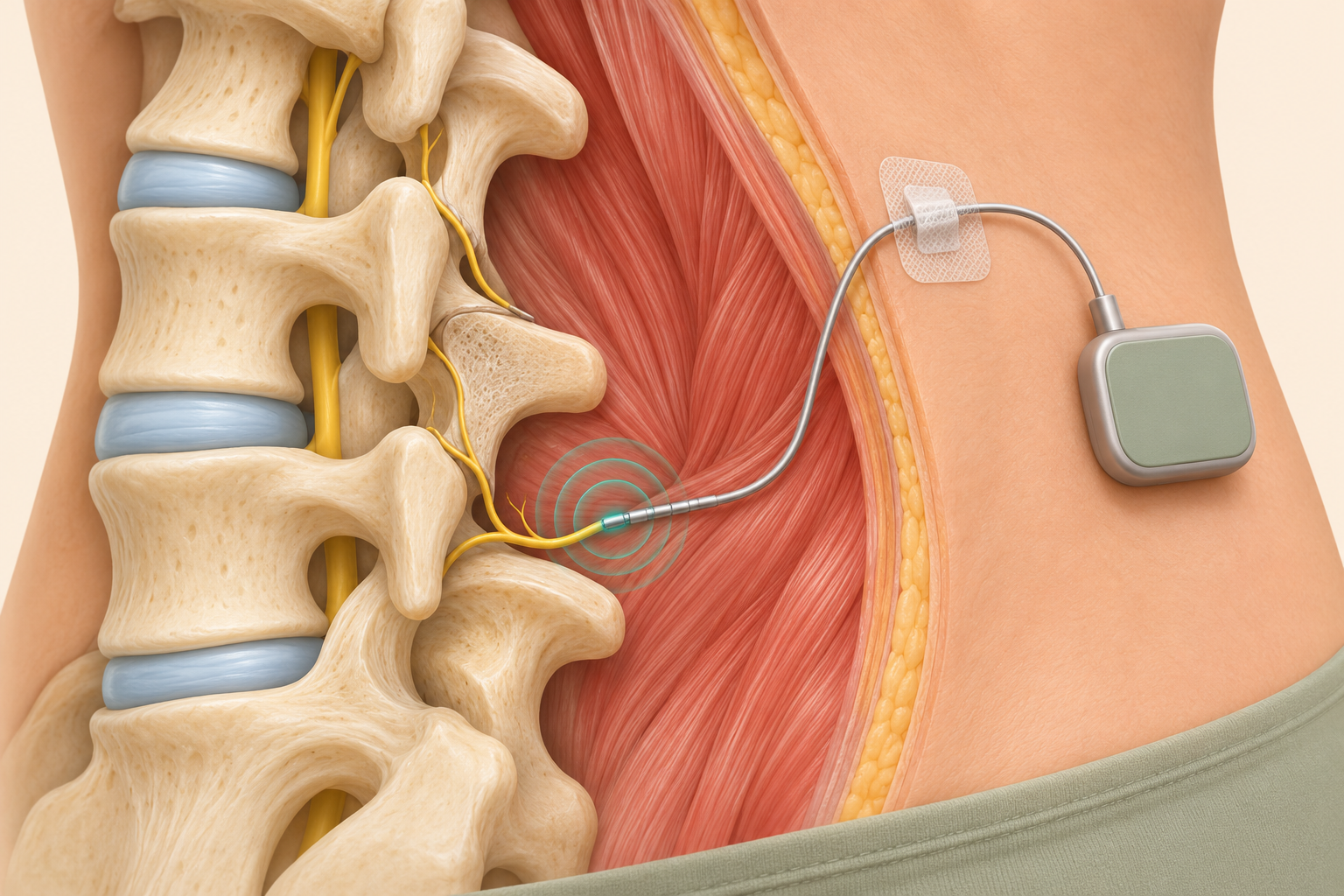
The diagram illustrates a temporary system with an external generator. Equipment and lead placement vary with the type of PNS.
A lead is positioned beside a selected peripheral nerve or branch, outside the spinal canal. Temporary external-generator systems and implanted systems exist. Stimulation of the medial branches is one approach studied for low back pain; this differs from blocking or thermally denervating those branches.
New randomised studies show encouraging results for particular systems and patient groups. They do not automatically apply to every PNS system, pain location or implant. The target, follow-up period, comparator and device risks matter. 25
DRG-S: dorsal root ganglion stimulation
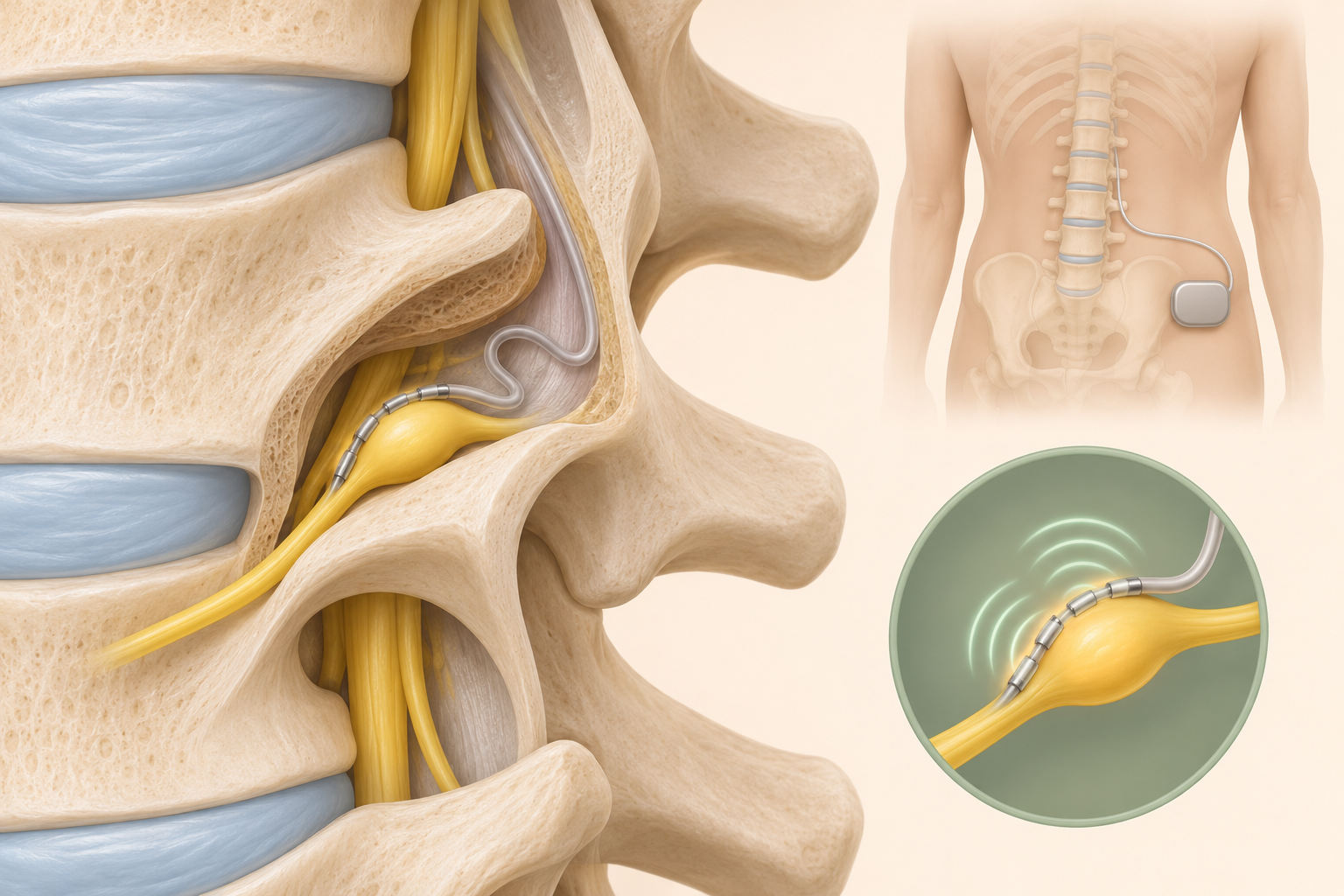
The dorsal root ganglion is a cluster of sensory nerve-cell bodies near the intervertebral foramen. A lead beside it influences signals from a particular body region. DRG stimulation is another term; DRGE is not an established name for a separate method.
DRG-S is particularly discussed for some localised neuropathic syndromes, including complex regional pain syndrome. It is not a universal answer to low back pain. Evidence and approved device uses differ between indications. 4,26
PRF: pulsed radiofrequency
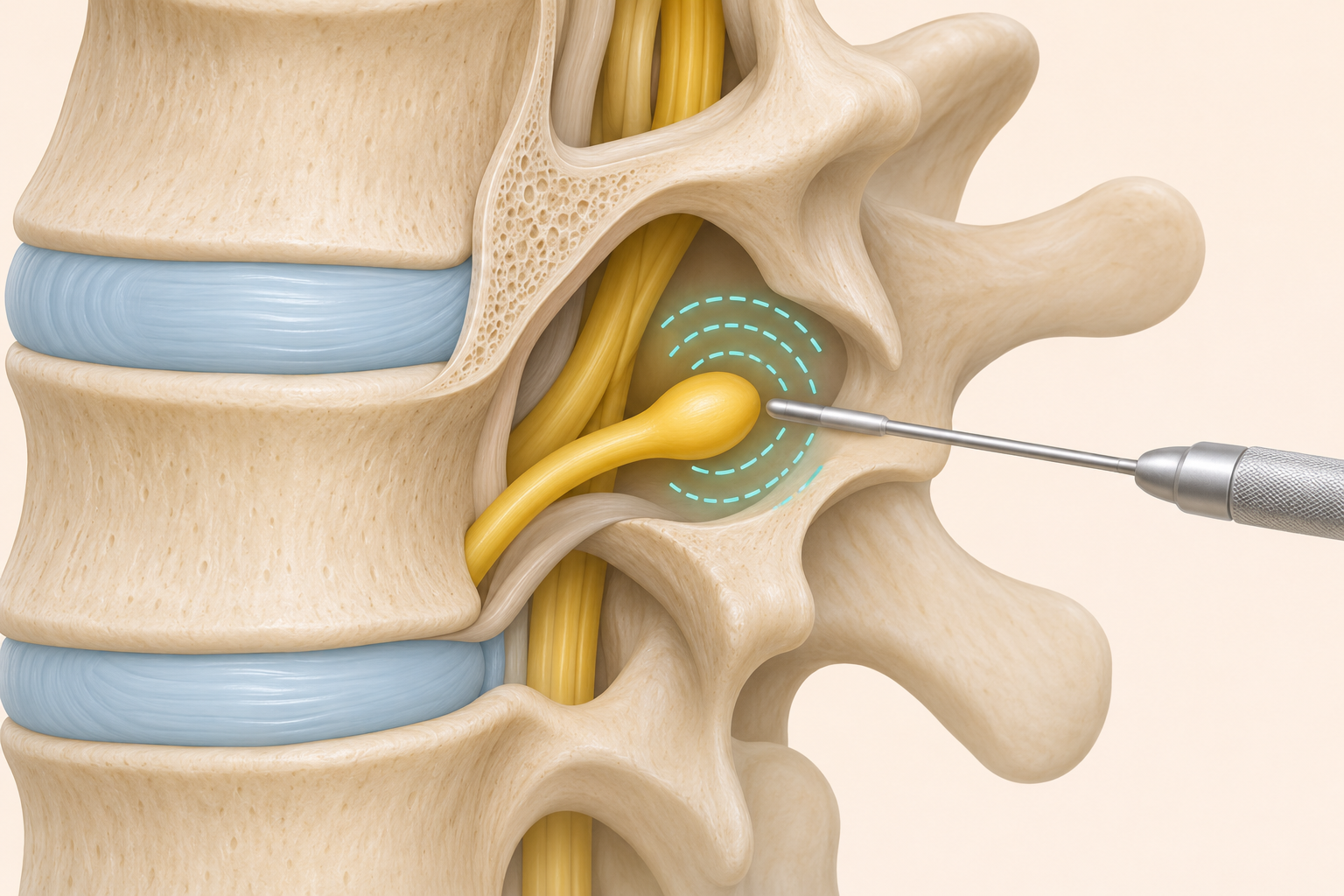
A special needle electrode is temporarily positioned beside a selected nerve structure, such as a lumbar dorsal root ganglion. Energy is delivered in pulses with temperature control. The aim is to alter pain signalling rather than perform conventional thermal denervation. A permanent generator is not usually implanted.
PRF studies in radicular pain are heterogeneous. Possible pain reduction at certain time points is not proof of lasting functional recovery. PRF is therefore discussed selectively, with explanation of uncertainty and alternatives. Like other procedures near a nerve, it carries risks. 27
SCS, PNS and DRG-S differ in their anatomical target and system design. PRF is a separate procedure with a temporary electrode. For implanted systems, assess infection, lead displacement or breakage, further surgery, MRI compatibility and follow-up needs. A successful trial informs the decision but does not guarantee lifelong benefit.
14. What a reasonable overall plan looks like
First exclude conditions needing urgent attention or specific treatment. Then agree on a working explanation and goals. For most ordinary episodes, clear information, manageable activity and gradual reloading form the basis; persistent limitations call for structured rehabilitation.
Medicines and selected supportive procedures can help along the way. A targeted intervention is discussed when there is a defined target, realistic expected benefit and a clear way to evaluate the outcome. Surgery or neuromodulation is chosen for an indication, not simply because many procedures have been tried.
A new symptom, lack of progress or treatment intolerance is a reason to review the plan. It does not necessarily mean severe damage, but calls for careful assessment rather than endless repetition of the same prescriptions.
15. How an online consultation can help
A consultation can review the nature of your pain, previous treatments, investigation reports and medication list. Note what helped, for how long and what limitations remain. This helps clarify whether another specialist, an in-person examination or discussion of a specific intervention is needed.
An online conversation does not replace a necessary neurological examination, authorise self-administered injections or justify waiting when urgent warning signs are present.
16. Frequently asked questions
Does relief after massage mean the problem was only muscular?
No. Temporary relief does not establish a single source. Several mechanisms influence symptoms; massage can reduce them without treating the underlying condition.
Can physical treatments replace exercise?
Usually not. Heat, massage or devices may ease symptoms but do not rebuild activity tolerance in the same way. If exercise is difficult, adapt the programme rather than necessarily removing movement altogether.
Is an injection stronger than a tablet?
Not necessarily. Intramuscular delivery does not guarantee better relief or less risk to the stomach, kidneys and heart. A targeted block has a different purpose; its value depends on diagnosis and target.
How many blocks are needed?
There is no universal number. The previous response, duration of benefit, medication and risks matter. An identical course for everyone without reassessment ignores individual circumstances.
Does pain lasting over three months require a stimulator?
No. Duration alone is not an indication for SCS, PNS or DRG-S. First clarify the mechanism and quality of prior care. Many people with chronic pain recover without an implant.
Must every conservative method be tried before surgery?
No. Delay may be dangerous when surgery is urgent. For elective care, there is no requirement to try every available procedure: a reasonable, diagnosis-appropriate course and review of its result are needed.